Penetration Testing & Vulnerability Assessment
Find the gaps before attackers do.
A penetration testing company that finds exploitable vulnerabilities across your web applications, APIs, network infrastructure, and cloud environment before attackers do. Every engagement delivers a structured findings report with risk-rated issues and a remediation roadmap your engineering team can act on immediately.
What We Deliver
Core Capabilities
- Web Application Penetration Testing (OWASP Top 10)
- API Security Testing & Authentication Review
- Network & Infrastructure Penetration Testing
- Cloud Configuration & Privilege Escalation Testing
- Social Engineering & Phishing Simulation
- Risk-Rated Findings Report & Remediation Roadmap
Ready to get started?
Get a free technical brief — architecture options, timelines, and cost estimates delivered within 48 hours. No commitment required.
- 01Submit your challenge≈ 1 min
- 02Receive your Technical BriefWithin 48h
- 03Discovery call — no obligationOptional
Or call us: +1 (929) 588-8364
By the Numbers
What clients achieve with GYSP
structured risk-rated report with CVSS scores, proof-of-concept evidence, and step-by-step remediation guidance for every finding
engineering teams can act on our findings immediately because every issue comes with a concrete remediation step, not just a vulnerability description
every finding is manually validated before it appears in the report, so your team spends time fixing real vulnerabilities, not investigating noise
Proven Results
Penetration Testing Case Studies
 TravelTech
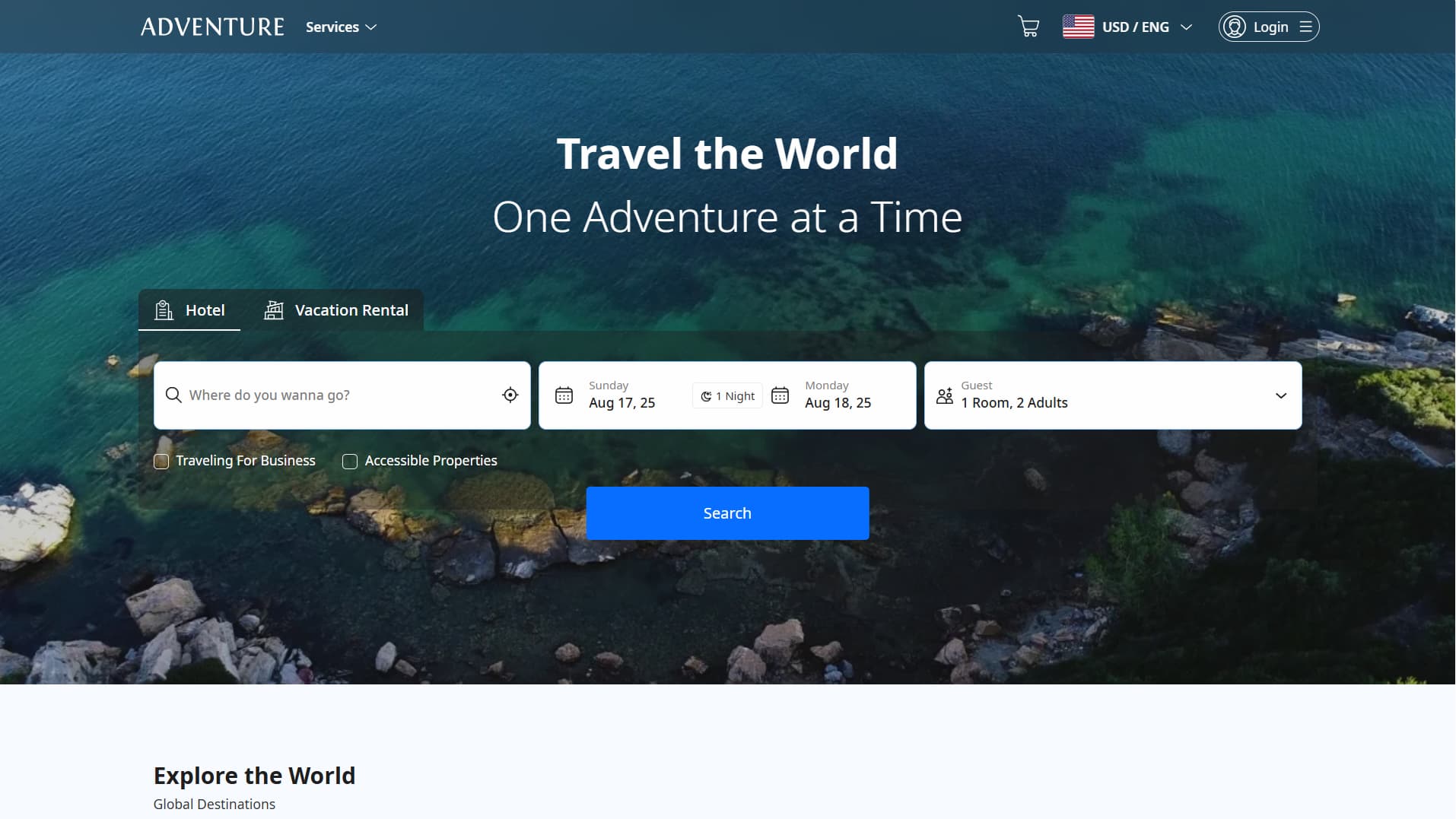
Adventure Japan
PCI-DSS, ISO 27001, and SOC2, across AWS, Azure, and GCP, with a live booking platform that couldn't go down. A compliance-first multi-cloud migration with zero business disruption.
 FinTech
DotPe
Growing transaction volumes, three active compliance frameworks, and a full AWS-to-GCP migration, all without a single major service outage. The stakes were high for this fintech platform.
 TravelTech
OYO
Legacy infrastructure, idle cloud spend, DDoS vulnerability, and manual deployments were compounding simultaneously for one of the world's fastest-growing hospitality brands. GYSP tuned Kubernetes auto-scaling to eliminate idle capacity on GCP GKE, driving a 30% cost reduction while achieving 99.98% platform uptime.
Industry Expertise
Industries We Serve with Penetration Testing
FAQs
Common questions
Everything buyers typically ask before starting a penetration testing engagement.
Ask us anythingWhat is the difference between a penetration test and a vulnerability scan?
A vulnerability scan is automated, it runs tools that identify known weaknesses based on signatures. A penetration test is manual: a security engineer attempts to exploit those weaknesses in the same way a real attacker would, chaining together multiple lower-severity issues to demonstrate real-world impact. Scans produce a list of potential issues. Pen tests prove which ones are actually exploitable and what an attacker could achieve.
How long does a penetration test take?
A focused web application or API pen test typically takes 3 to 5 days of active testing. A full network and infrastructure assessment for a medium-complexity environment runs 5 to 10 days. Cloud environment assessments take 3 to 7 days depending on the number of accounts and services in scope. We confirm scope and timeline in a pre-engagement call so there are no surprises.
Do you provide remediation support after the test?
Yes. Every engagement includes a findings briefing session where we walk your engineering team through each issue, explain the attack chain, and answer technical questions. For organisations that need hands-on remediation support, we offer a follow-up engagement to implement fixes and re-test to confirm closure.
What methodology do you follow?
We follow a CREST-aligned methodology combining OWASP Testing Guide, PTES (Penetration Testing Execution Standard), and NIST SP 800-115. For cloud assessments we use the Cloud Security Alliance controls framework. All testing is scoped, authorised, and conducted within agreed rules of engagement to protect production systems.
How often should we run penetration tests?
At minimum annually, and after any significant architecture change, major release, or cloud migration. PCI-DSS requires annual pen testing as a compliance requirement. Many clients run quarterly tests on their highest-risk surfaces (external APIs and authentication flows) and annual full-scope assessments.
Let's build something together
Get a free technical brief on your penetration testing challenge — architecture, timeline, and cost estimate in 48 hours.
Get Free Technical Brief