Hyperautomation & Process Mining Services
Find where time disappears. Then automate it out of existence.
Hyperautomation and process mining services that map your actual processes from system logs, identify hidden bottlenecks and automation opportunities, and implement the full stack of AI, RPA, and workflow automation to eliminate them at scale.
What We Deliver
Core Capabilities
- Process Mining & Event Log Analysis
- Bottleneck & Waste Identification
- Automation Opportunity Scoring & Prioritisation
- Hyperautomation Roadmap & Architecture
- Full-Stack Automation Implementation (AI + RPA + Workflow)
- Process KPI Monitoring & Continuous Improvement
Ready to get started?
Get a free technical brief — architecture options, timelines, and cost estimates delivered within 48 hours. No commitment required.
- 01Submit your challenge≈ 1 min
- 02Receive your Technical BriefWithin 48h
- 03Discovery call — no obligationOptional
Or call us: +1 (929) 588-8364
By the Numbers
What clients achieve with GYSP
process mining analyses actual event logs from your ERP, CRM, and BPM systems to reveal what processes really look like, not what your documentation says they should look like
combining process mining insights with the right automation stack eliminates the handoff delays, approval bottlenecks, and rework loops that add days to processes measured in hours
hyperautomation treats automation as an enterprise capability, not a collection of point solutions, so investments compound rather than duplicate
Proven Results
Hyperautomation & Process Mining Case Studies
 Logistics & Supply Chain
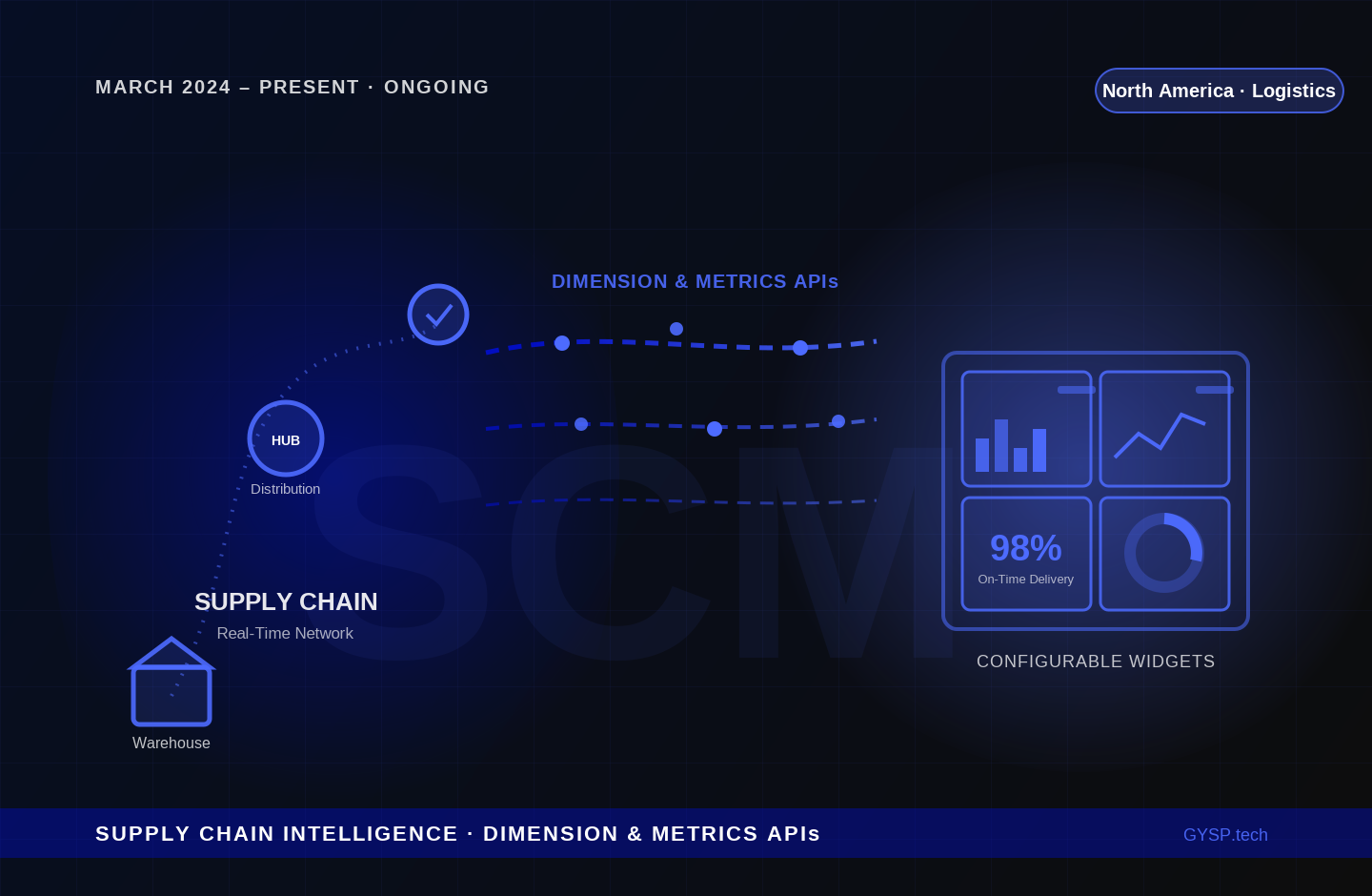
Enterprise Supply Chain Network, North America
Supply chain leaders didn't need another static dashboard, they needed self-service visibility, where any team could configure its own analytics widget without filing an engineering ticket. GYSP built the API layer that made it possible, alongside an organisation-wide rollout of Power Platform automation.
 Government & Public Sector
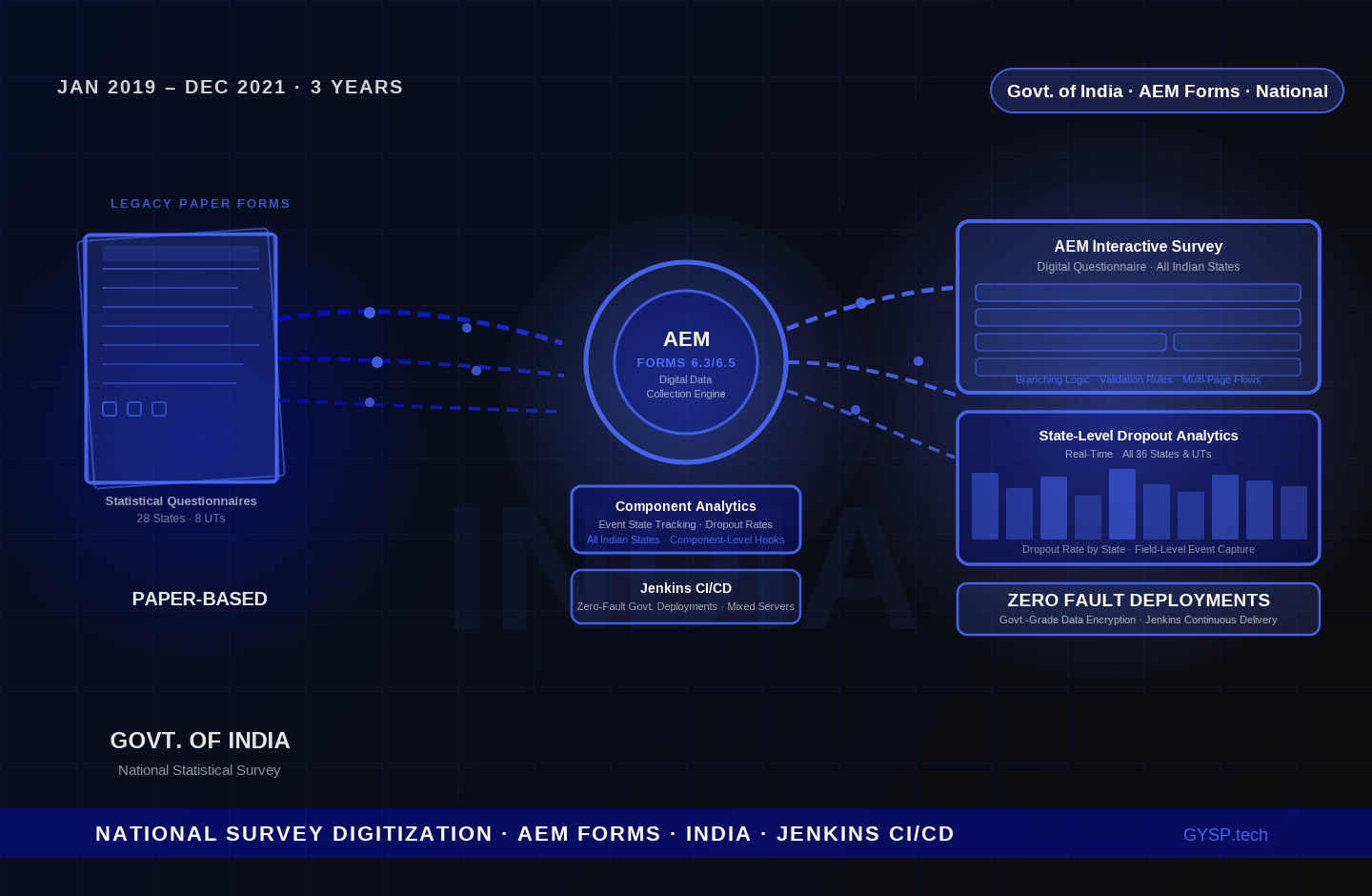
Government of India — National Statistical Survey
A national government statistical survey programme needed to move its mission-critical paper-based questionnaire infrastructure to a secure, scalable digital platform spanning all Indian states. GYSP transformed legacy paper forms into interactive AEM Forms instruments, programmed component-level analytics tracking for dropout and event monitoring across every state, and sustained zero-fault continuous delivery via Jenkins automation over a 3-year programme.
 Enterprise Technology
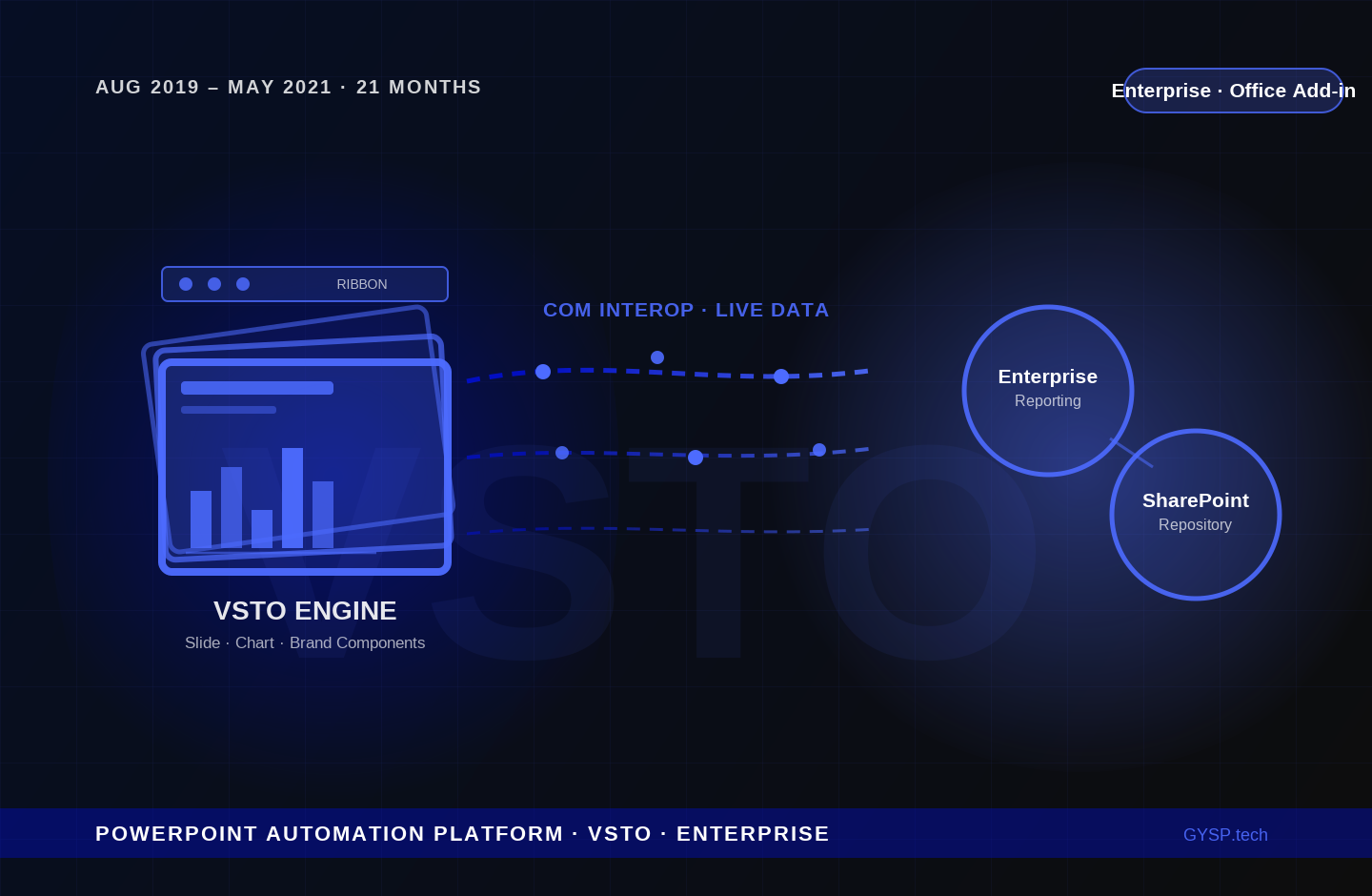
Global Professional Services Firm
Business teams were losing hours per proposal manually rebuilding slides, charts, and formatting from scratch. GYSP built a native PowerPoint automation platform that generated branded, data-accurate decks directly inside the tool teams already used every day.
Industry Expertise
Industries We Serve with Hyperautomation & Process Mining
FAQs
Common questions
Everything buyers typically ask before starting a hyperautomation & process mining engagement.
Ask us anythingWhat is process mining and how does it work?
Process mining extracts event logs from your existing systems (ERP, CRM, BPM, ticketing tools) and reconstructs the actual flow of every process instance, not the idealised version in your process documentation. It shows you where processes deviate from the designed flow, where bottlenecks form, how long each step actually takes, and which variants are causing the most rework or delay. This data-driven view replaces weeks of manual process interviews and workshop mapping.
What is hyperautomation and how is it different from regular automation?
Regular automation tackles individual tasks or workflows in isolation. Hyperautomation is an end-to-end approach that combines process mining (to find opportunities), AI (for judgment and unstructured inputs), RPA (for structured system interactions), and workflow orchestration (for end-to-end orchestration) into a coordinated programme. The result is automation that covers entire business processes rather than isolated steps, compounding the ROI across the full value chain.
Which process mining platforms do you use?
We work with Celonis, UiPath Process Mining, SAP Signavio, and open-source alternatives like PM4Py for organisations that prefer not to introduce new platform licensing. For organisations already using UiPath for RPA, the native UiPath Process Mining integration is often the most practical starting point. Platform selection depends on your existing systems, data volume, and whether you need process mining as a one-time discovery exercise or an ongoing monitoring capability.
Do we need to have existing automation in place before starting hyperautomation?
No. Many organisations start with process mining as the discovery phase precisely because they want to know where to invest in automation before committing to any platform or technology. The process mining output, a prioritised list of automation opportunities with ROI estimates, becomes the business case and roadmap for the automation programme. We can run discovery as a standalone engagement and hand off the roadmap, or continue into implementation.
How long does a process mining engagement take?
A focused process mining discovery for one or two end-to-end processes typically takes three to four weeks: one week for data extraction and log preparation, one to two weeks for analysis and variant mapping, and one week for bottleneck identification and opportunity scoring. Broader enterprise-wide process mining programmes run over six to twelve weeks depending on the number of processes and systems in scope.
Let's build something together
Get a free technical brief on your hyperautomation & process mining challenge — architecture, timeline, and cost estimate in 48 hours.
Get Free Technical Brief