Adventure Japan
Multi-Cloud PCI-DSS Migration — Adventure Japan
PCI-DSS, ISO 27001, and SOC2, across AWS, Azure, and GCP, with a live booking platform that couldn't go down. A compliance-first multi-cloud migration with zero business disruption.
Industry
TravelTech
Key Result
75% Faster Deployment Cycles
Primary Service
Multi-Cloud Engineering
Core Stack
AWS, Azure, GCP
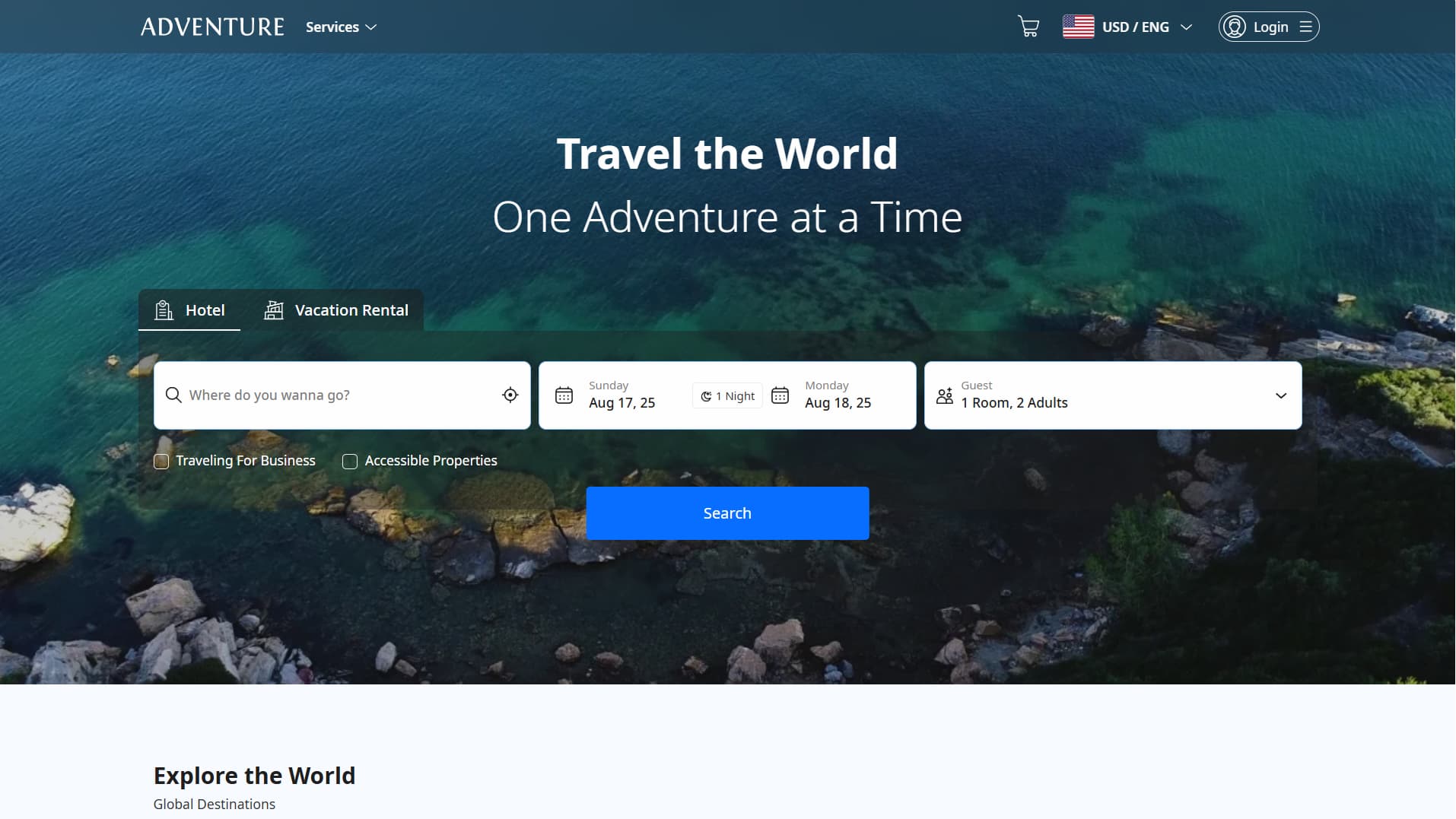
The Challenge
Adventure Japan needed to migrate to a compliant multi-cloud environment spanning AWS, Azure, and GCP while maintaining strict adherence to PCI-DSS, ISO 27001, and SOC2 standards. Their legacy infrastructure generated excessive costs, compliance controls were inadequate across identity management, logging, and encryption, and manual deployment processes were severely limiting development velocity. The migration had to be executed without disrupting live bookings.
Our Solution
GYSP built a fully automated, zero-downtime multi-cloud infrastructure. Infrastructure-as-Code was implemented with Terraform, Terragrunt, and Ansible with OPA policy enforcement, while ArgoCD-driven GitOps was deployed across EKS, AKS, and GKE with Helm. Security was hardened with zero-trust architecture via Istio service mesh and mTLS, HashiCorp Vault for secrets management, and full-stack observability using Prometheus, Grafana, Loki, Tempo, and OpenTelemetry. Automated disaster recovery with AWS Route53 health checks ensured business continuity. Compliance evidence was generated automatically through SIEM integrations.
29% of cloud spend is wasted on average. Find yours.
Key Deliverables
- IaC automation via Terraform, Terragrunt, and Ansible with OPA policy enforcement
- ArgoCD-driven GitOps across AWS EKS, Azure AKS, and Google GKE
- Zero-trust security with Istio service mesh and mTLS encryption
- HashiCorp Vault and cloud-native KMS for centralized secrets management
- Full-stack observability: Prometheus, Grafana, Loki, Tempo, and OpenTelemetry
- Automated disaster recovery with AWS Route53 health checks and failover testing
- SIEM-integrated compliance reporting across PCI-DSS, ISO 27001, and SOC2
Services Delivered
- Multi-Cloud Engineering
- DevSecOps
- Compliance Automation
- Observability
Tech Stack
This engagement used AWS, Azure, GCP, Terraform, Ansible, and 6 additional tools.
Frequently Asked Questions
What does zero-trust architecture mean in a multi-cloud environment?+
Zero-trust means no service or user is trusted by default. Every request must be authenticated and authorised, even within the internal network. For Adventure Japan, GYSP implemented Istio service mesh with mutual TLS (mTLS) encryption between all microservices, ensuring internal east-west traffic was as rigorously controlled as external access. HashiCorp Vault handled secrets management so no credentials were hardcoded or exposed in config files.
How did GYSP achieve PCI-DSS, ISO 27001, and SOC2 compliance simultaneously?+
GYSP embedded compliance controls into the infrastructure layer from the start rather than auditing post-deployment. Terraform and OPA policy enforcement ensured every provisioned resource met the relevant standard's requirements. SIEM integrations automatically generated the audit evidence required for each framework, turning compliance reporting from a manual quarterly exercise into a continuous automated output.
What is ArgoCD and how does it manage deployments across multi-cloud Kubernetes clusters?+
ArgoCD is a GitOps continuous delivery tool that keeps Kubernetes cluster state in sync with a Git repository. Any change to desired state is committed to Git first, then ArgoCD detects the diff and applies it, providing a full audit trail and easy rollback. For Adventure Japan, ArgoCD managed deployments across AWS EKS, Azure AKS, and GCP GKE from a single control plane, ensuring consistent deployment behaviour across all three clouds.
How did GYSP ensure zero downtime during migration of a live travel booking platform?+
Zero downtime was achieved through Blue/Green deployments, running old and new environments simultaneously and switching traffic only after the new environment was fully validated. DNS-level cutover via AWS Route53 health checks allowed instant rollback if any issue was detected. Each migration phase was tested in staging before production traffic was touched, and automated DR failover was validated through a live drill before final cutover.
Work with GYSP
Similar TravelTech challenge?
Get a free technical brief: architecture options, cost estimates, and a delivery timeline scoped to your challenge.
- 48-hour turnaround
- Senior engineers only
- No commitment required
Or call: +1 (929) 588-8364
More TravelTech Case Studies
 TravelTech
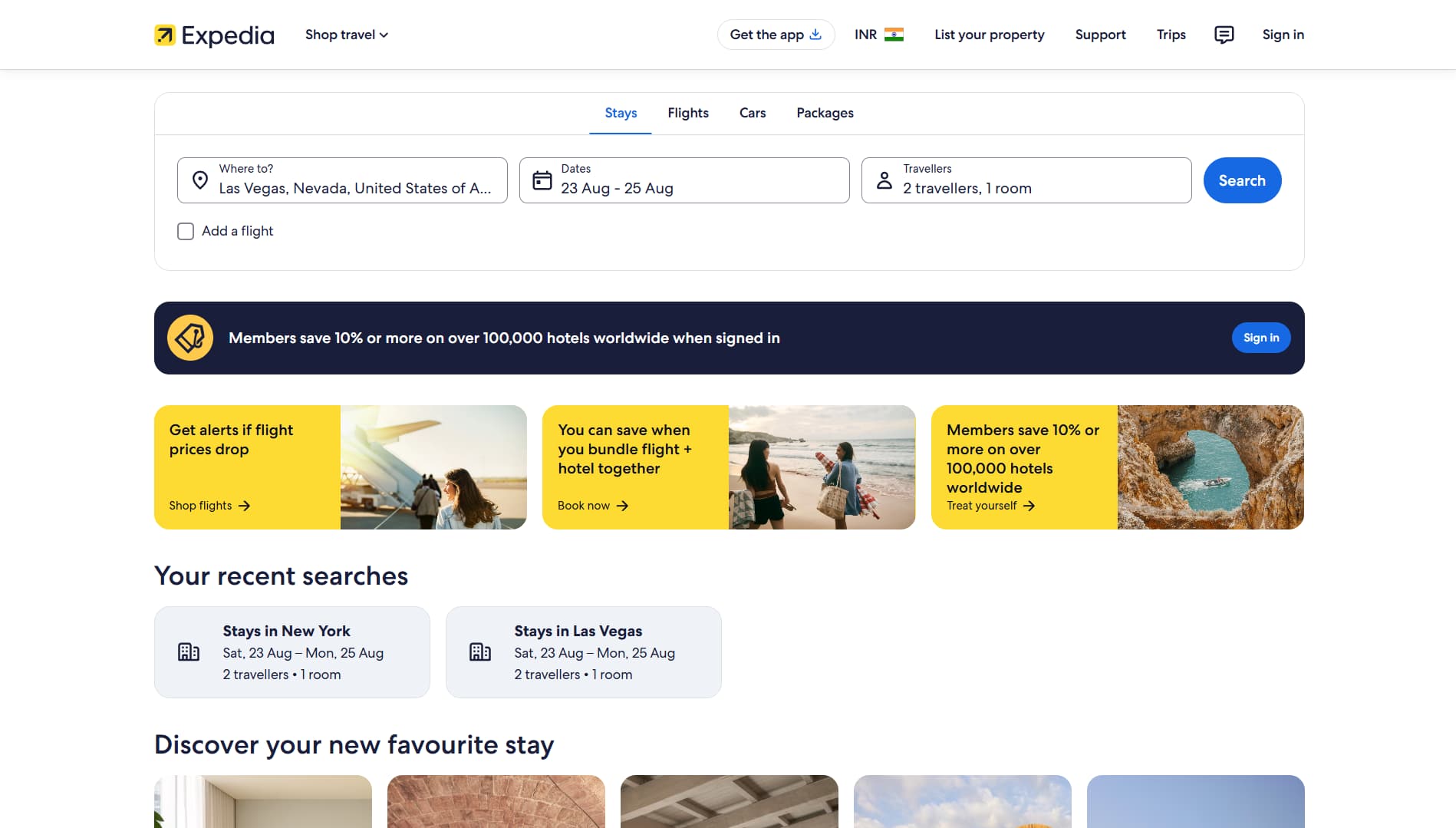
Expedia India
Manual deployments, peak-season exposure, and reactive monitoring, at the scale of millions of daily travel bookings. The infrastructure needed to match the ambition.
 TravelTech
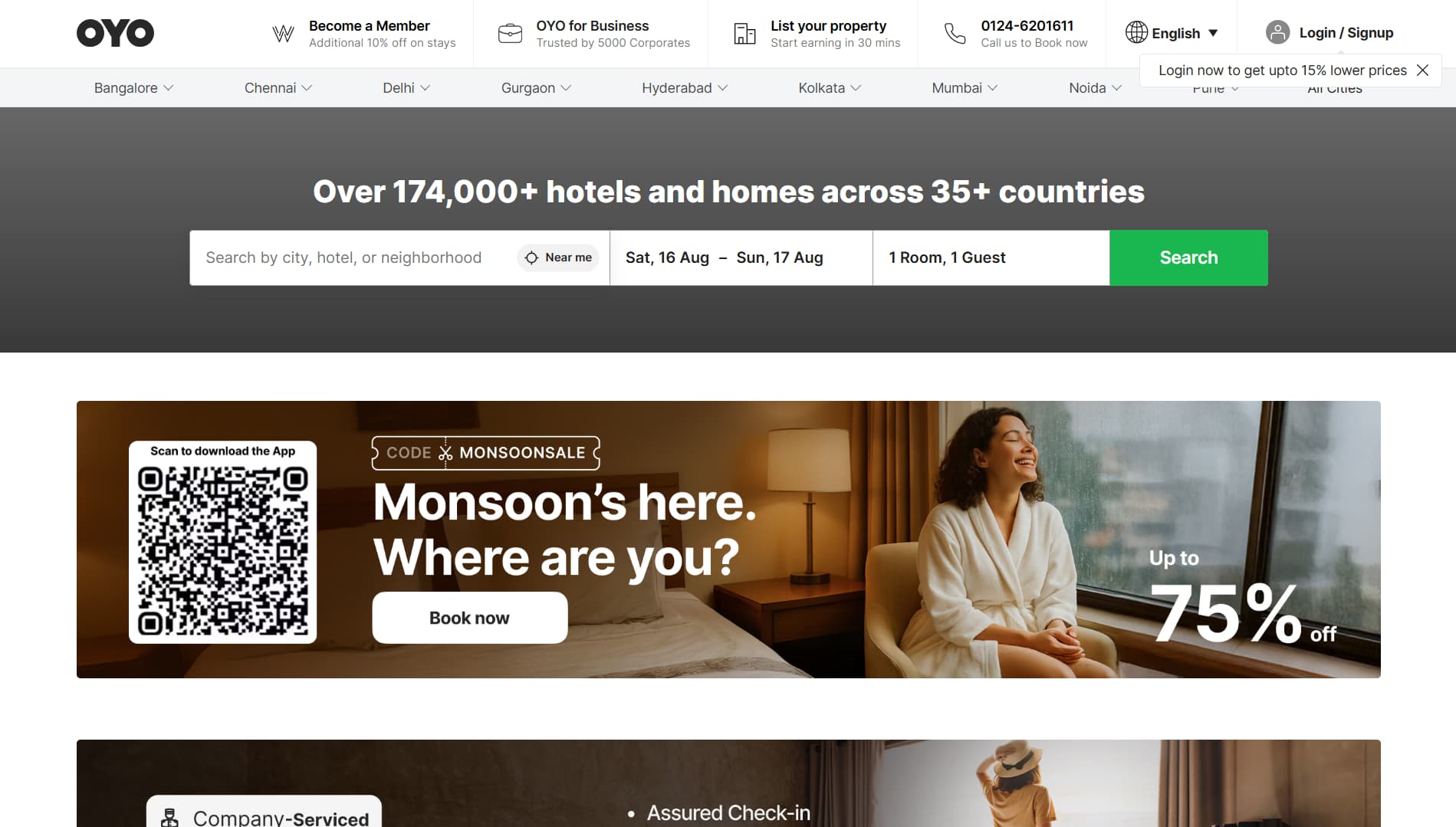
OYO
Legacy infrastructure, idle cloud spend, DDoS vulnerability, and manual deployments were compounding simultaneously for one of the world's fastest-growing hospitality brands. GYSP tuned Kubernetes auto-scaling to eliminate idle capacity on GCP GKE, driving a 30% cost reduction while achieving 99.98% platform uptime.
