Tier-1 European Banking Group
European Banking VDI Migration — Citrix Cloud on Azure
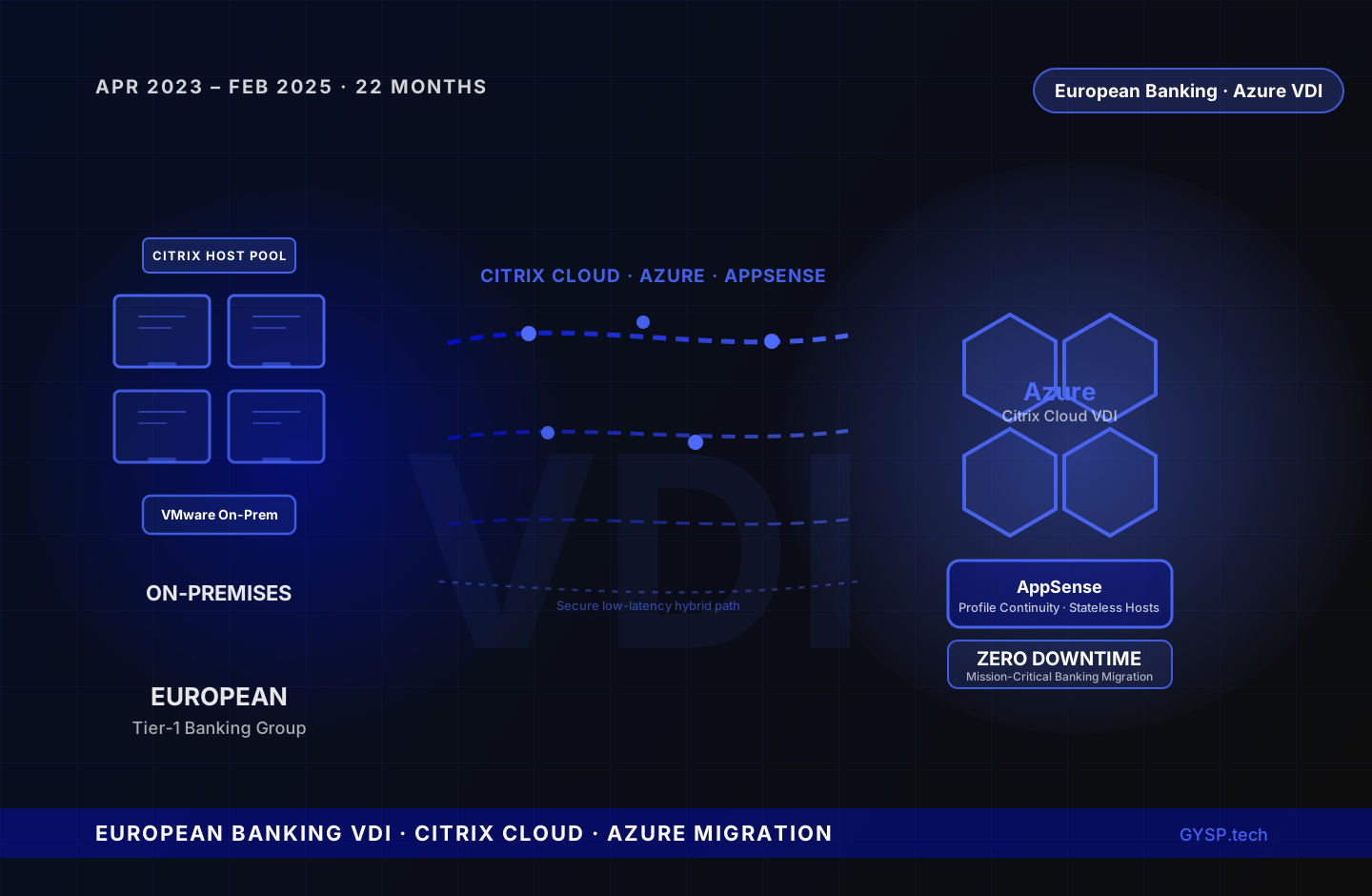
A tier-1 European bank needed to migrate its mission-critical Citrix VDI workloads, trading desktops, compliance applications, regulatory reporting tools, from on-premises infrastructure to Azure public cloud without a single session interruption. GYSP managed the migration, configured Citrix Cloud control, established secure hybrid data paths, and resolved the stateless desktop profile continuity problem that stops most banking VDI migrations cold.
Industry
FinTech
Key Result
Zero Downtime Mission-Critical Banking Citrix VDI Migration to Azure
Primary Service
VDI Cloud Migration
Core Stack
Microsoft Azure, Citrix Cloud, Citrix Virtual Apps & Desktops
The Challenge
Mission-critical banking VDI workloads cannot be migrated to public cloud using the same approach applied to standard enterprise applications. Trading desktops, compliance tools, and regulatory reporting applications have zero tolerance for session interruption. A dropped virtual desktop on a trading floor directly impacts revenue and regulatory exposure. European banking compliance frameworks impose additional constraints: EBA operational resilience guidelines, GDPR data residency requirements, and regulatory audit logging obligations all shape what is and isn't permissible in a public cloud migration. The hybrid architecture required during any phased migration introduced a further layer of complexity: Azure-hosted Citrix host pools needed stable, low-latency connectivity back to on-premises storage fabrics that couldn't be immediately migrated alongside the desktop workloads, creating a dual-environment that had to function reliably at all times. On stateless Azure VDI hosts, user profile continuity presented a specific problem: without persistent user state across session hosts, banking users would lose desktop settings, application configurations, macro rules, and compliance-critical user data between sessions, an unacceptable outcome for a user base that depends on consistent, personalised environments for regulated financial work. On-premises VMware clusters hosting the bridge components for the hybrid layout needed to maintain standard performance throughout, with no degradation allowed to the critical connectivity layer they provided.
Our Solution
GYSP led the comprehensive migration of mission-critical banking Citrix host pools from on-premises infrastructure onto Microsoft Azure public cloud. Citrix Cloud control engines were configured and verified for stability, providing the cloud-hosted orchestration layer that brokers virtual desktop sessions for banking users at scale without requiring on-premises control plane components. Secure, low-latency hybrid data paths were established from Azure back to on-premises storage fabrics, maintaining the data access that banking applications required from cloud-hosted desktops without introducing latency or security gaps at the connectivity boundary. AppSense (Ivanti User Workspace Manager) profile architectures were embedded and optimised across the stateless Azure host pool infrastructure, ensuring that banking users retained their desktop settings, macro rules, application configurations, and compliance-critical user data states consistently across every session, regardless of which stateless host instance they landed on. On-premises VMware clusters hosting the key bridge components for the hybrid layout were maintained at standard operating performance throughout the migration, preventing the on-premises infrastructure layer from becoming a reliability bottleneck during the extended transition period.
29% of cloud spend is wasted on average. Find yours.
Key Deliverables
- Comprehensive migration of mission-critical banking Citrix host pools from on-premises infrastructure to Microsoft Azure public cloud
- Citrix Cloud control engines configured and verified for stability, orchestrating VDI provisioning and session brokering at European banking scale
- Secure, low-latency hybrid data paths established from Azure to on-premises storage fabrics, maintaining data access without performance or security compromise
- AppSense profile architectures embedded and optimised for stateless Azure host pools, ensuring consistent user settings, macro rules, and compliance-critical data states across every session
- On-premises VMware clusters maintained at standard operating performance throughout the hybrid migration, preventing bridge component bottlenecks
Services Delivered
- VDI Cloud Migration
- Citrix Cloud Architecture
- Hybrid Cloud Connectivity
- User Profile Management
Tech Stack
This engagement used Microsoft Azure, Citrix Cloud, Citrix Virtual Apps & Desktops, AppSense / Ivanti UWM, VMware, and 3 additional tools.
Frequently Asked Questions
What is VDI and why does it present unique challenges for banking cloud migrations?+
Virtual Desktop Infrastructure (VDI) delivers computing desktops from a central server rather than a local machine. Users see a desktop that runs remotely. In banking, VDI is used to ensure that sensitive data never leaves the data centre and that desktops can be strictly controlled for compliance. Migrating banking VDI to public cloud is particularly complex because the session continuity that users depend on, the data residency obligations the bank must meet, and the compliance audit logging requirements all have to be preserved exactly as they were on-premises, but in a public cloud architecture that is structurally different.
How was AppSense used to ensure user profile continuity on stateless Azure VDI hosts?+
Azure VDI host pools are typically stateless, each session may run on a different host instance, and no local user profile persists between sessions. AppSense (now Ivanti User Workspace Manager) solves this by capturing and restoring the user environment at logon: it loads desktop settings, application configurations, macro rules, and user data from a central store into the session on every login, regardless of which host the user lands on. For banking users who rely on specific desktop configurations and compliance-critical application states, this ensures a consistent, personalised environment across every session without requiring persistent VMs.
What are the key compliance requirements for European banking cloud migrations?+
European banking cloud migrations are governed by EBA (European Banking Authority) operational resilience and cloud outsourcing guidelines, which require banks to maintain full auditability of cloud provider access, data residency controls, exit strategy documentation, and operational continuity plans. GDPR adds data residency and personal data processing obligations on top of those. DORA (Digital Operational Resilience Act), progressively enforced, requires ICT risk management and incident reporting aligned with cloud environments. Taken together, these mean that a European bank's Azure migration must embed compliance controls at the architecture level from day one, not treat them as post-migration configurations.
How did the hybrid architecture function during the migration period?+
During the migration, Azure-hosted Citrix host pools and on-premises infrastructure ran in parallel, users could be served from either environment, and banking applications accessed data from on-premises storage fabrics via secure, low-latency hybrid connectivity paths. Citrix Cloud provided the central control layer that orchestrated which sessions ran where. On-premises VMware clusters maintained the bridge components, network connectors, data path terminators, and hybrid management services, that kept the two environments functioning as a single coherent VDI platform throughout the transition, without exposing users to the architectural change underneath.
Work with GYSP
Similar FinTech challenge?
Get a free technical brief: architecture options, cost estimates, and a delivery timeline scoped to your challenge.
- 48-hour turnaround
- Senior engineers only
- No commitment required
Or call: +1 (929) 588-8364
More FinTech Case Studies
 FinTech
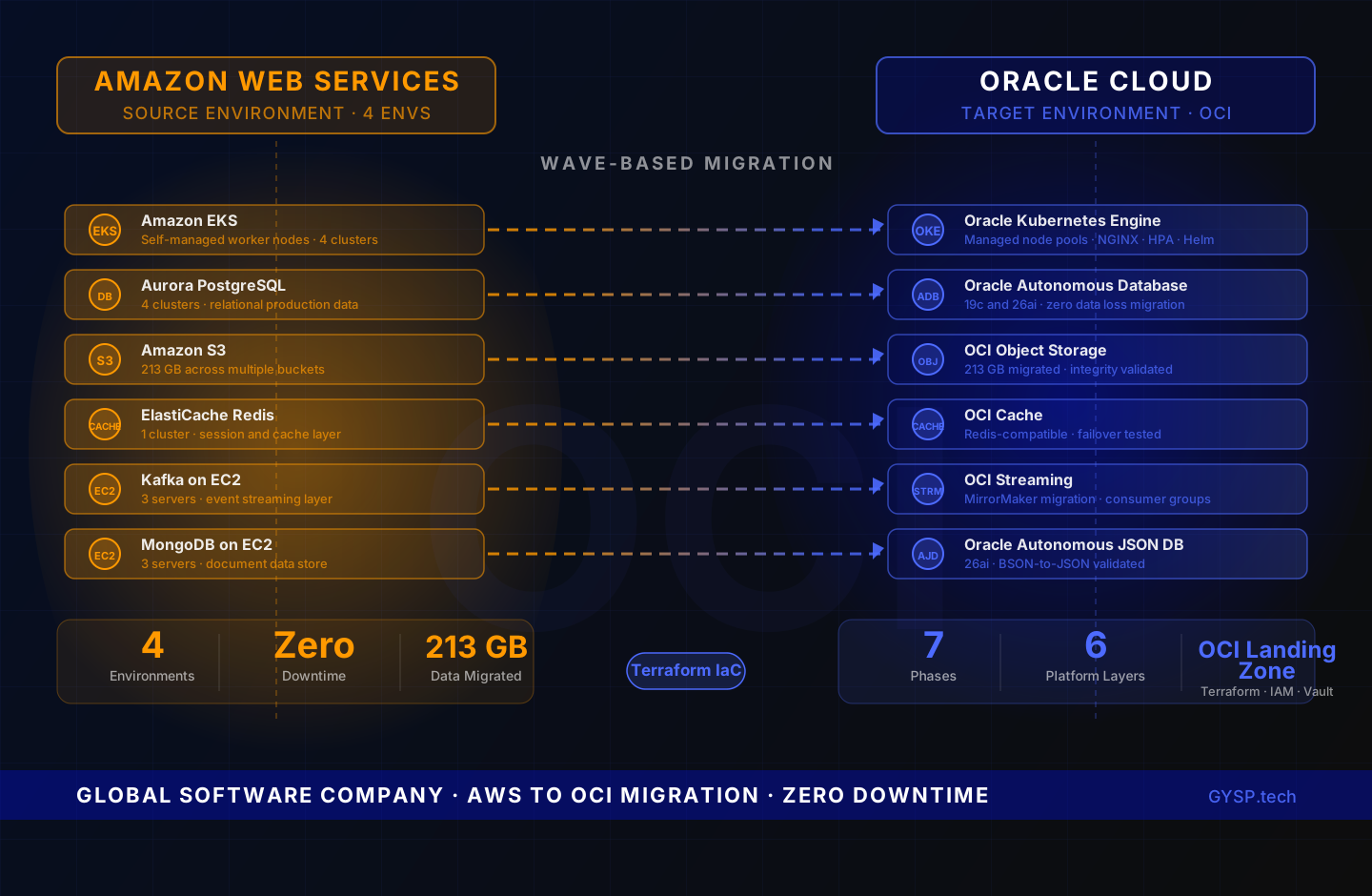
Global FinTech SaaS Company
A global software company running business-critical workloads across four AWS environments needed a full-stack migration to Oracle Cloud Infrastructure: containers, databases, messaging, caching, and object storage, without disrupting production operations.
 FinTech
DotPe
Growing transaction volumes, three active compliance frameworks, and a full AWS-to-GCP migration, all without a single major service outage. The stakes were high for this fintech platform.
 FinTech
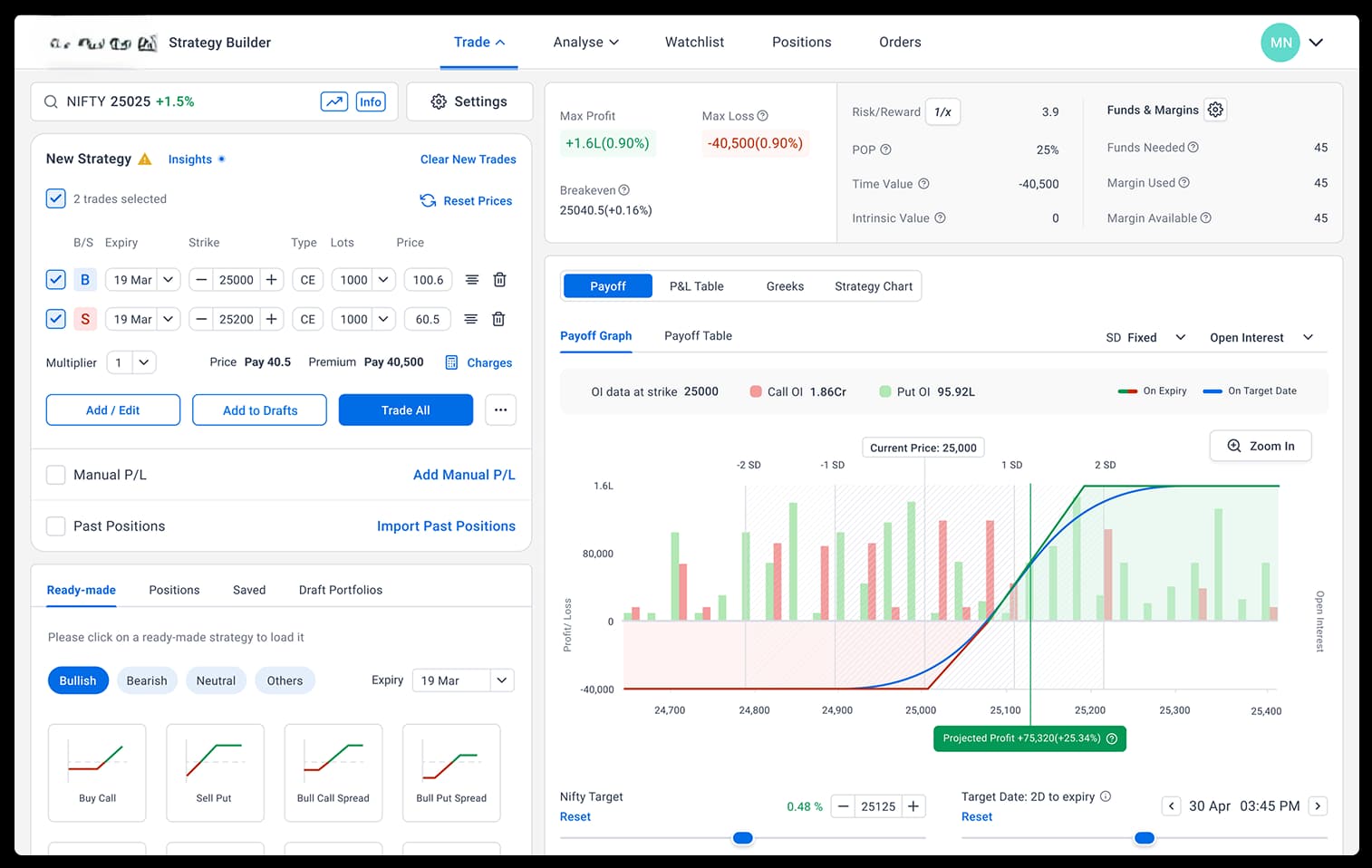
Options Trading Platform
Retail traders were making high-stakes decisions with manual calculations and static charts. They needed the kind of strategy tools professional desks take for granted, built for the masses.
