Hommey
A home services marketplace built to personalise at scale — real-time inventory, region-specific campaigns, and mobile-first UX that needed to work flawlessly from day one.
The Challenge
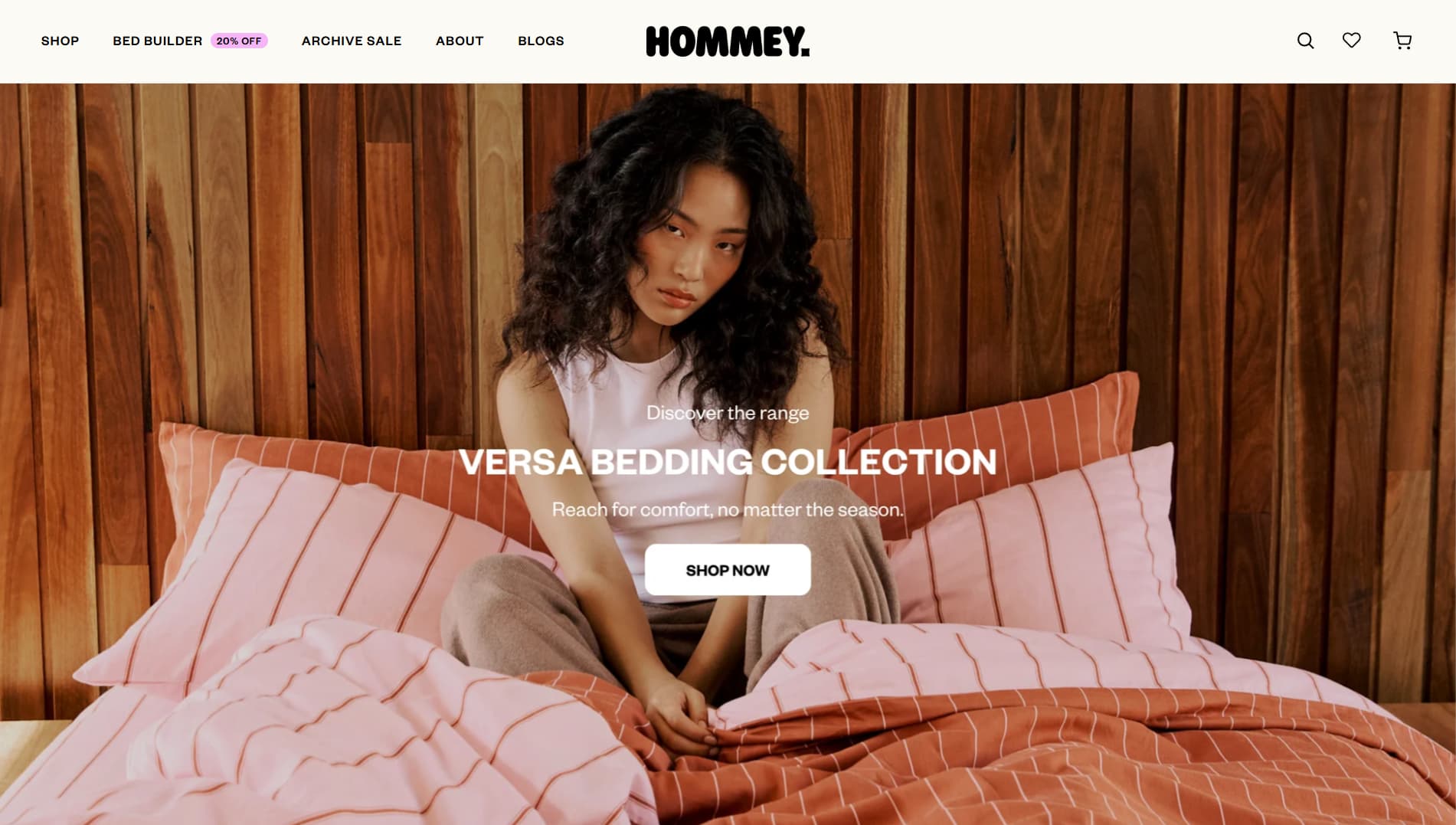
Hommey needed to build a centralized digital platform capable of managing a diverse catalogue of home products and services in real time. The platform had to support data-driven personalization to improve customer engagement, flexible region-specific content management to support market expansion, and a mobile-first experience that would drive adoption and long-term retention.
Our Solution
GYSP built a robust, scalable platform managing product listings, inventory, and sales in real time. Embedded analytics powered personalized product recommendations based on customer behaviour, while flexible content management infrastructure enabled rapid rollout of region-specific campaigns. The entire frontend was engineered mobile-first, with seamless responsiveness across devices. Within six months of launch, active users had grown 2.5x and engagement metrics were up 35%.
Facing a similar challenge? Get a no-commitment technical brief.
Get free briefKey Deliverables
- Real-time product listing, inventory, and sales management system
- Embedded analytics driving personalized product recommendations
- Flexible CMS for region-specific campaigns and localized market expansion
- Mobile-first UX achieving 99% responsiveness across all devices
- Google Analytics and Hotjar integration for continuous UX optimization
- AWS and GCP cloud infrastructure with Azure Edge for content delivery
Services Delivered
- Web Development
- Digital Transformation
- Data Analytics Integration
Tech Stack
Frequently Asked Questions
How did GYSP personalise product recommendations for Hommey's customers?+
Personalisation was powered by embedded analytics tracking customer browsing and purchase behaviour across the platform. Recommendation logic used this behavioural data to surface relevant products — replacing a generic catalogue view with suggestions tailored to each customer's patterns. Google Analytics and Hotjar provided continuous UX data to refine recommendation placement and conversion paths over time.
What does mobile-first design mean for a home services marketplace?+
Mobile-first means the interface is designed and built for the smallest screen size first, then progressively enhanced for larger screens — rather than shrinking a desktop layout down. For Hommey, this meant optimising page load times for mobile networks, touch-friendly interaction patterns, and a product browsing experience designed around how customers actually shop on their phones — resulting in 99% responsiveness across all devices from day one.
How did Hommey grow active users 2.5× in six months after launch?+
The 2.5× user growth was driven by personalised product recommendations that increased repeat visits, region-specific campaigns that enabled efficient market expansion, and a mobile-first UX that reduced friction in the new-user onboarding flow. The embedded analytics stack gave the team real-time visibility into which acquisition and engagement tactics were working, allowing rapid iteration throughout the first six months.
What cloud infrastructure was used to support Hommey's regional expansion?+
Hommey's platform was built on AWS and GCP cloud infrastructure with Azure Edge for content delivery — ensuring fast load times regardless of where in the region a customer was accessing the platform. The flexible CMS architecture meant region-specific content and campaigns could be deployed without engineering involvement, enabling the business team to roll out new markets rapidly without creating a technical bottleneck.
Work with GYSP
Want results like these?
Get a free technical brief — architecture options, cost estimates, and a delivery timeline tailored to your challenge.
- 48-hour turnaround
- Senior engineers only
- No commitment required
Or call: +1 (929) 588-8364
Services Used
More eCommerce & Retail Case Studies
 eCommerce & Retail
US Gaming Retailer
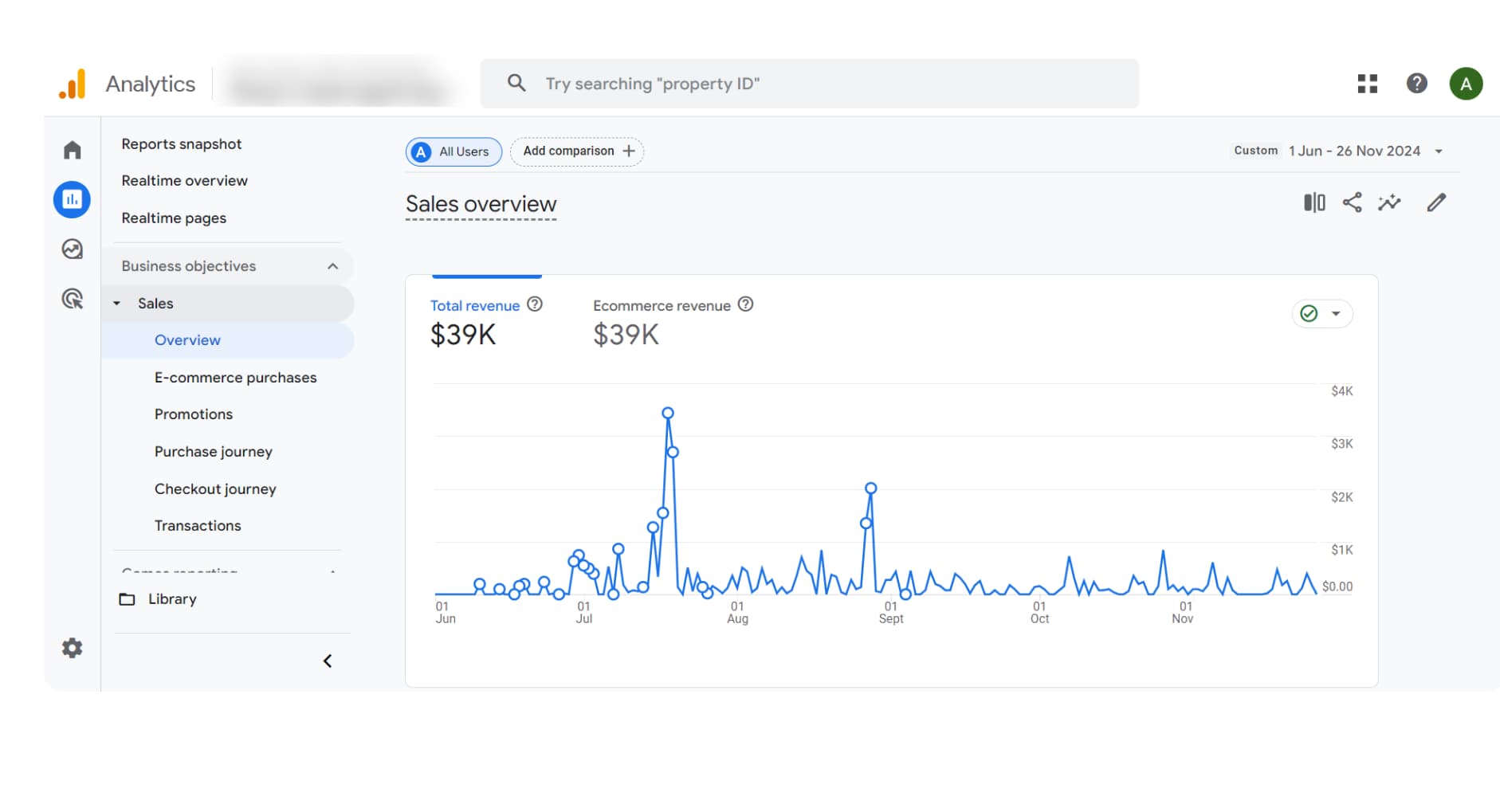
Organic traffic stuck at 29K. Product searches going to competitors. Local visibility near zero. A US gaming retailer needed SEO that drove real revenue — not just better rankings.
 eCommerce & Retail
US eCommerce Brand
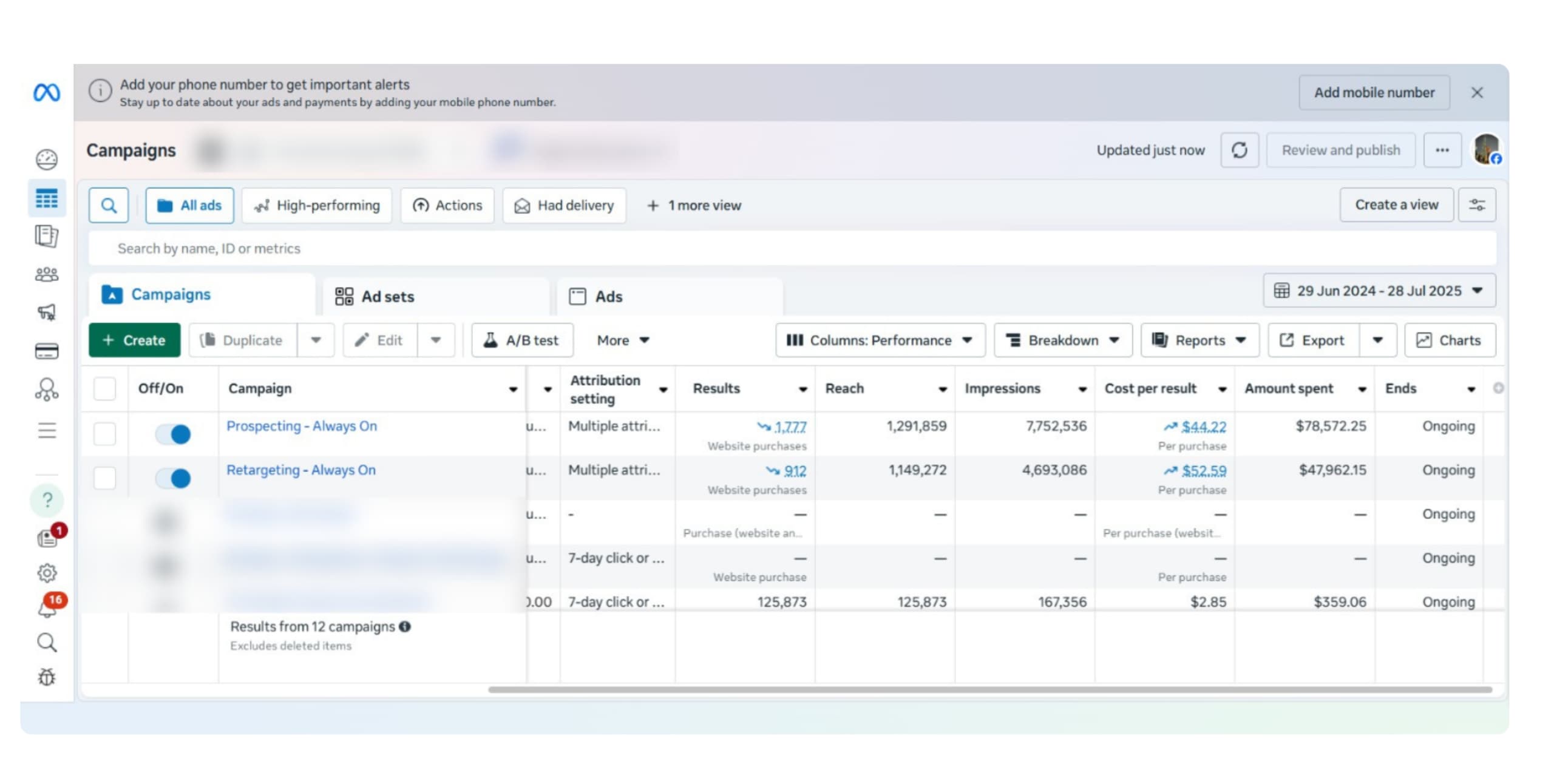
Cost-per-purchase above $70 with no clear path down. Budget leaking across underperforming creatives, weak retargeting, and campaigns that weren't structured to convert.
 eCommerce & Retail
Australian Apparel Brand
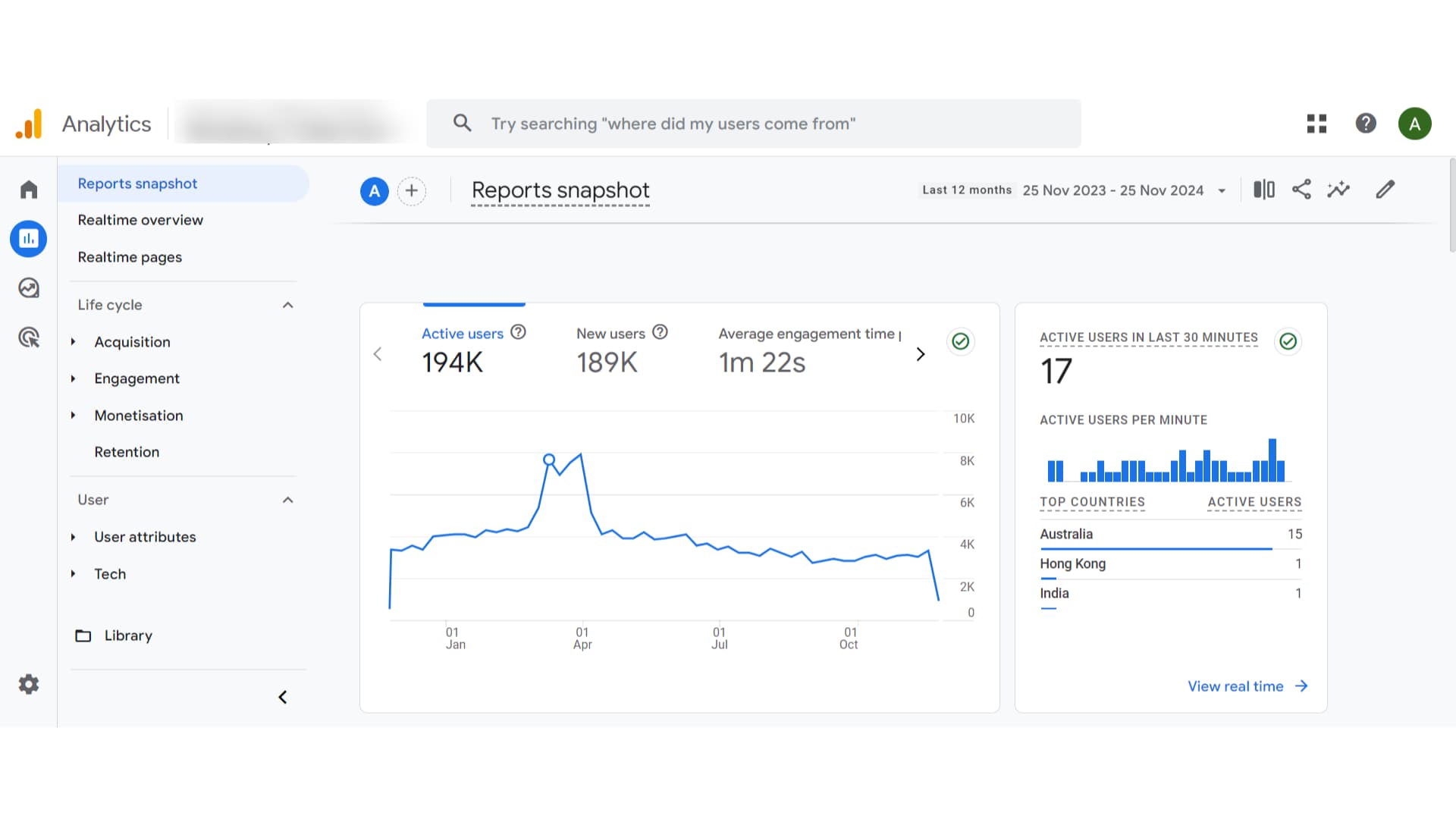
Zero online visibility. Established competitors dominating local search. An Australian apparel brand needed organic growth — without an unlimited budget — and needed results in year one.
