US eCommerce Brand
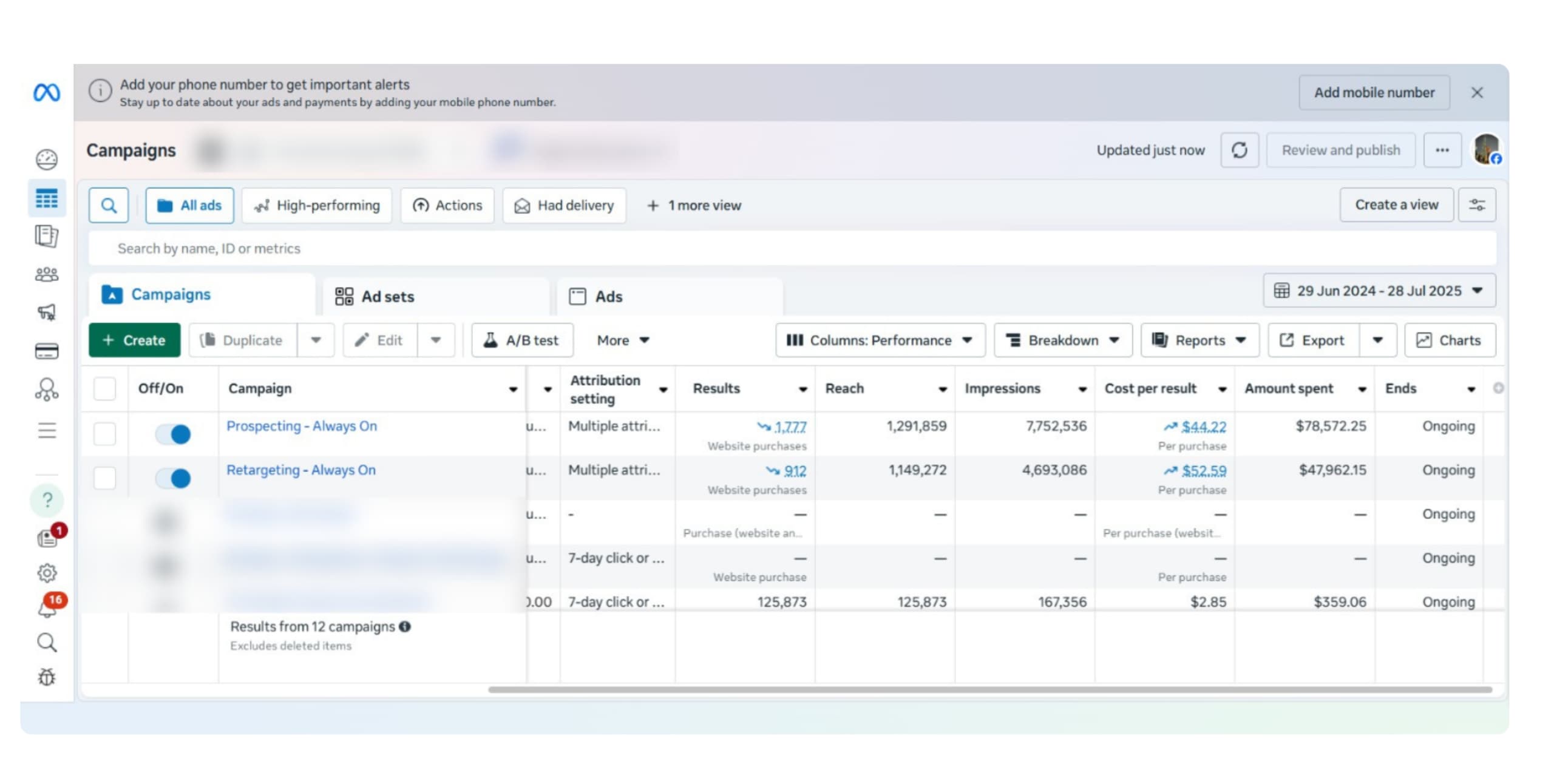
Cost-per-purchase above $70 with no clear path down. Budget leaking across underperforming creatives, weak retargeting, and campaigns that weren't structured to convert.
The Challenge
A growing US eCommerce brand was struggling with Meta ad campaigns where cost-per-purchase had climbed above $70. A weak retargeting approach was losing warm audiences, there was no structured A/B testing or funnel segmentation, and budget was being wasted on creative assets that underperformed without any systematic way to identify and cut them.
Our Solution
GYSP rebuilt the entire Meta advertising architecture from the ground up. Lookalike audiences were created from high-value customer segments, while sophisticated remarketing funnels were built for cart abandoners and product viewers. A thumb-stopping creative strategy using UGC-style and branded content was developed with weekly ad rotation to prevent fatigue. The campaign structure was segmented into awareness, retargeting, and conversion-optimised campaigns with dynamic bid adjustments and continuous creative A/B testing — driving cost-per-purchase down 38% while scaling reach to 2.44 million users.
Facing a similar challenge? Get a no-commitment technical brief.
Get free briefKey Deliverables
- Lookalike audience creation from high-value customer segments
- Remarketing funnels built for cart abandoners and product-page viewers
- UGC-style and branded creative strategy with weekly rotation to prevent ad fatigue
- Three-tier campaign structure: prospecting, retargeting, and conversion optimisation
- Continuous A/B testing across copy, formats, and placements
- Dynamic bid adjustments based on real-time ROAS data
Services Delivered
- Digital Marketing
- Paid Social
- Performance Marketing
Tech Stack
Frequently Asked Questions
How did GYSP reduce cost-per-purchase on Meta ads by 38%?+
The reduction came from restructuring campaigns into three distinct segments — prospecting, retargeting, and conversion — each with targeting and bidding strategies appropriate to that funnel stage. Lookalike audiences replaced broad targeting for prospecting, reducing wasted spend on low-intent users. Sophisticated remarketing funnels recaptured warm cart abandoners. Weekly creative rotation prevented ad fatigue from driving up CPMs.
What are lookalike audiences and how are they used in Meta advertising?+
Lookalike audiences are Meta-generated segments that share characteristics with a seed audience — typically your best customers. Meta analyses hundreds of behavioural signals to find new users who resemble your top buyers. GYSP created lookalike audiences from high-value customer segments (high AOV, repeat purchasers) — targeting new users statistically most likely to convert, rather than relying on broad demographic targeting.
What is a remarketing funnel and why does it improve eCommerce conversions?+
A remarketing funnel serves different ads to users based on how far they got through the purchase journey. Cart abandoners get an ad addressing their specific hesitation (urgency, social proof). Product-page viewers get an ad featuring the exact product they viewed. By matching the ad message to the buyer's actual intent signal, remarketing consistently outperforms cold prospecting on conversion rate and cost-per-purchase.
How often should Meta ad creative be rotated to prevent ad fatigue?+
Ad fatigue occurs when the same audience sees the same creative repeatedly — frequency rises, engagement drops, and CPMs increase as Meta's algorithm deprioritises low-engagement ads. GYSP implemented weekly creative rotation for this campaign, keeping per-user frequency low enough to maintain engagement. The rotation used UGC-style content and branded creative variants, tested in parallel to identify the highest-performing format for each audience segment.
Work with GYSP
Want results like these?
Get a free technical brief — architecture options, cost estimates, and a delivery timeline tailored to your challenge.
- 48-hour turnaround
- Senior engineers only
- No commitment required
Or call: +1 (929) 588-8364
Services Used
More eCommerce & Retail Case Studies
 eCommerce & Retail
Hommey
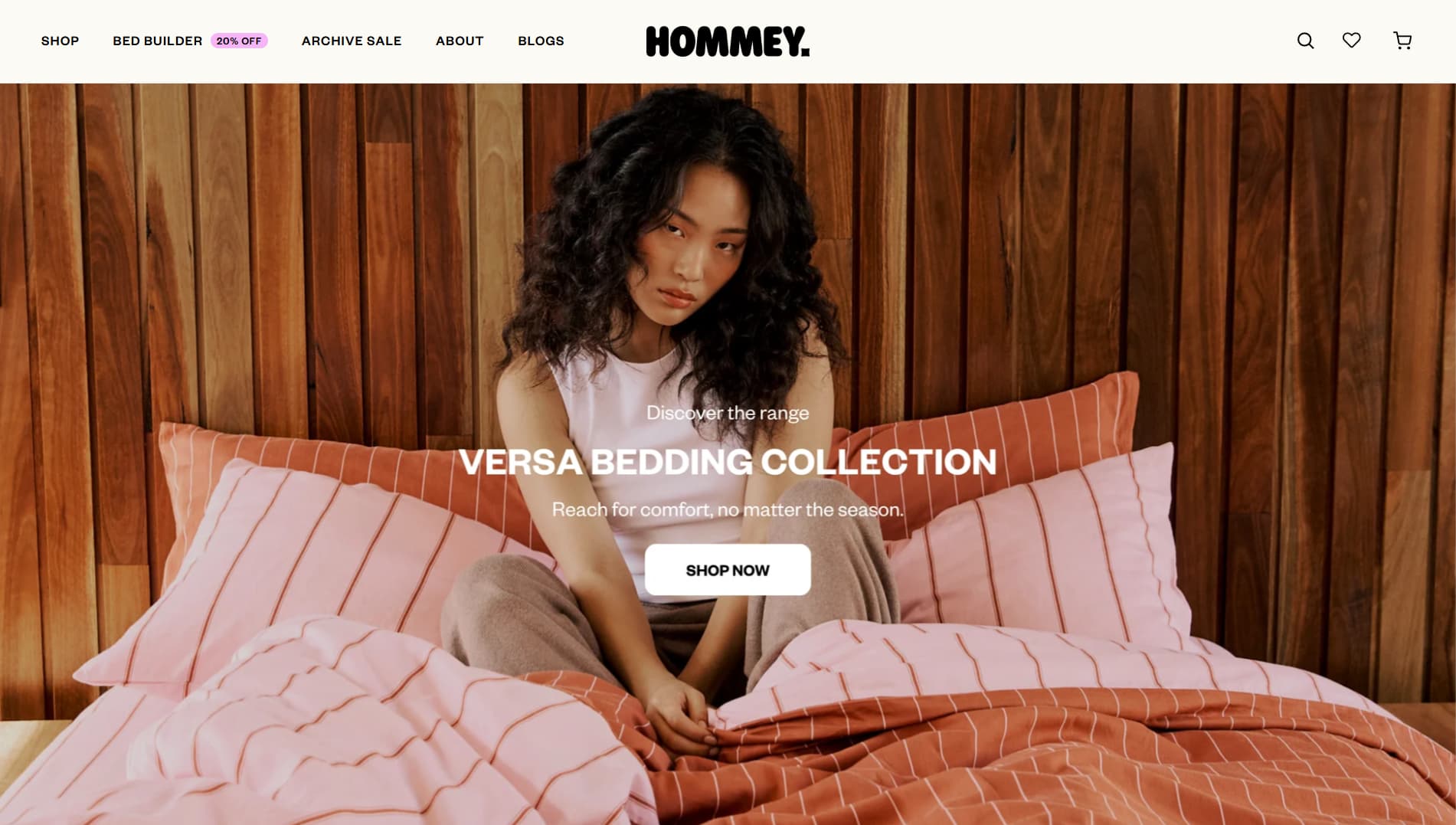
A home services marketplace built to personalise at scale — real-time inventory, region-specific campaigns, and mobile-first UX that needed to work flawlessly from day one.
 eCommerce & Retail
US Gaming Retailer
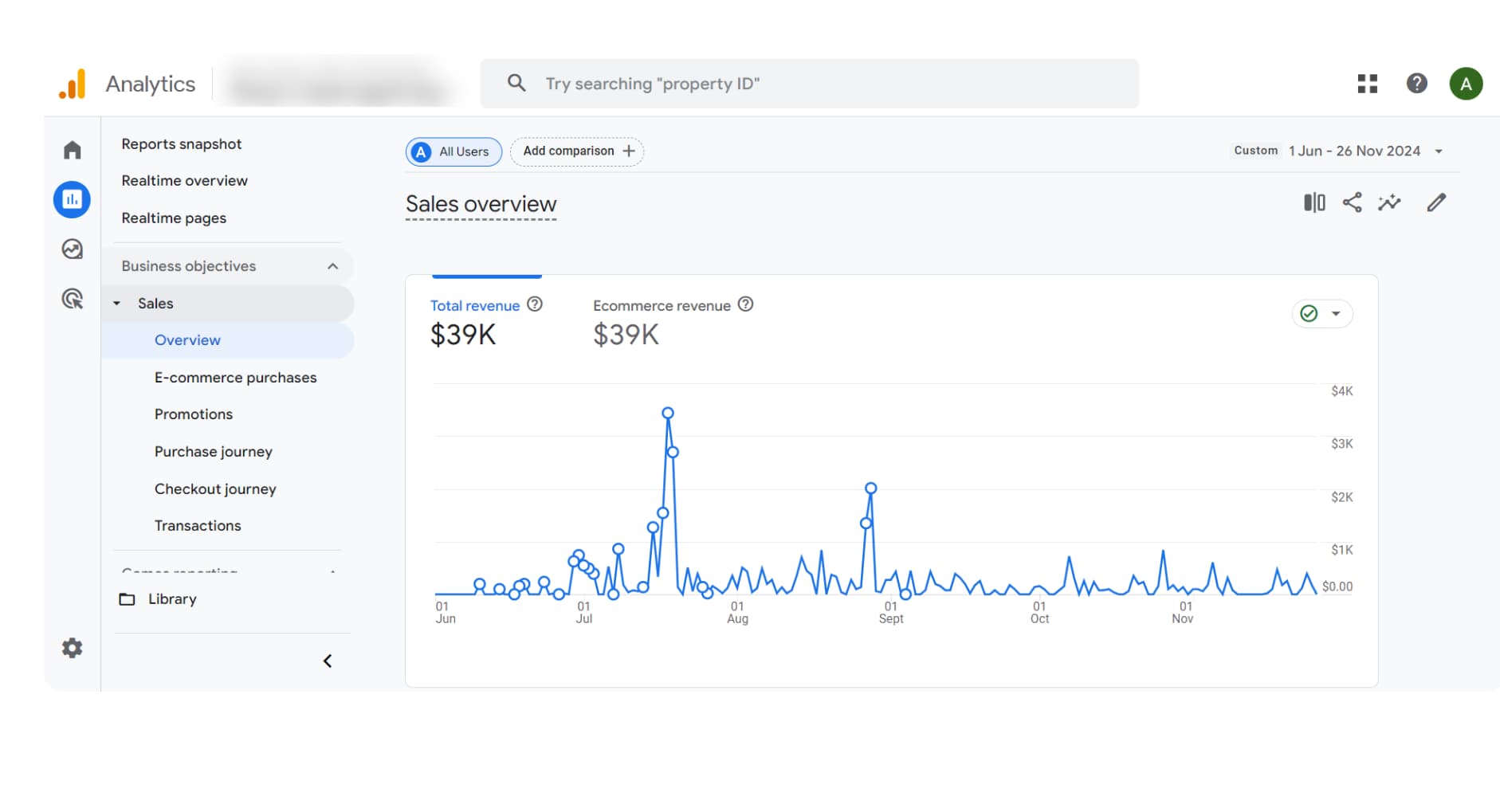
Organic traffic stuck at 29K. Product searches going to competitors. Local visibility near zero. A US gaming retailer needed SEO that drove real revenue — not just better rankings.
 eCommerce & Retail
Australian Apparel Brand
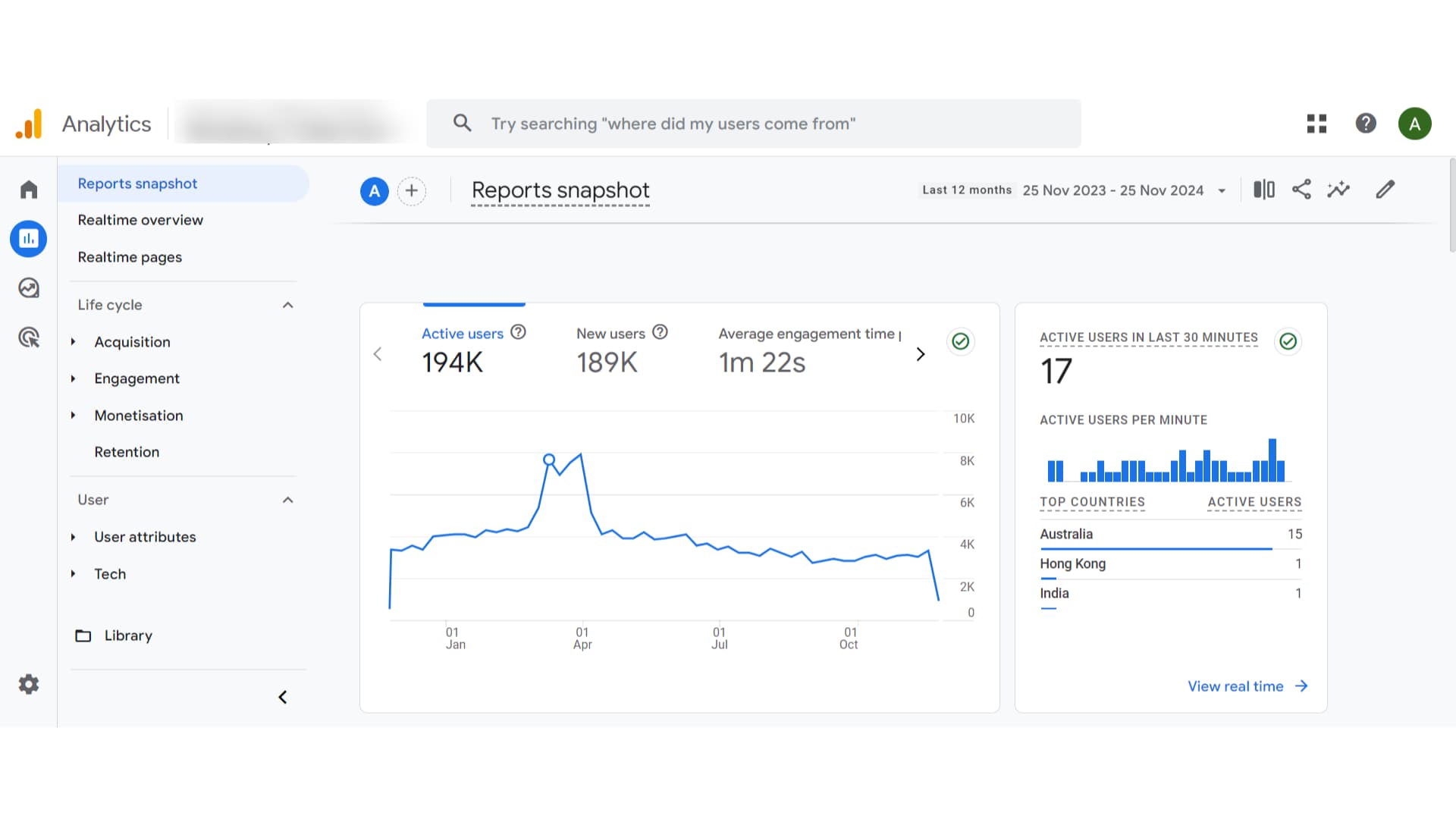
Zero online visibility. Established competitors dominating local search. An Australian apparel brand needed organic growth — without an unlimited budget — and needed results in year one.
