eCommerce Research Portal
AEM 6.5 Migration — eCommerce Research Portal
Thousands of unstructured research articles trapped in a legacy CMS. The brief: migrate every piece of content into AEM 6.5 without losing fidelity, while the authoring team continued publishing at full pace.
Industry
eCommerce & Retail
Key Result
10mo Migration Timeline
Primary Service
CMS Migration
Core Stack
AEM 6.5, Sling Models, Java
The Challenge
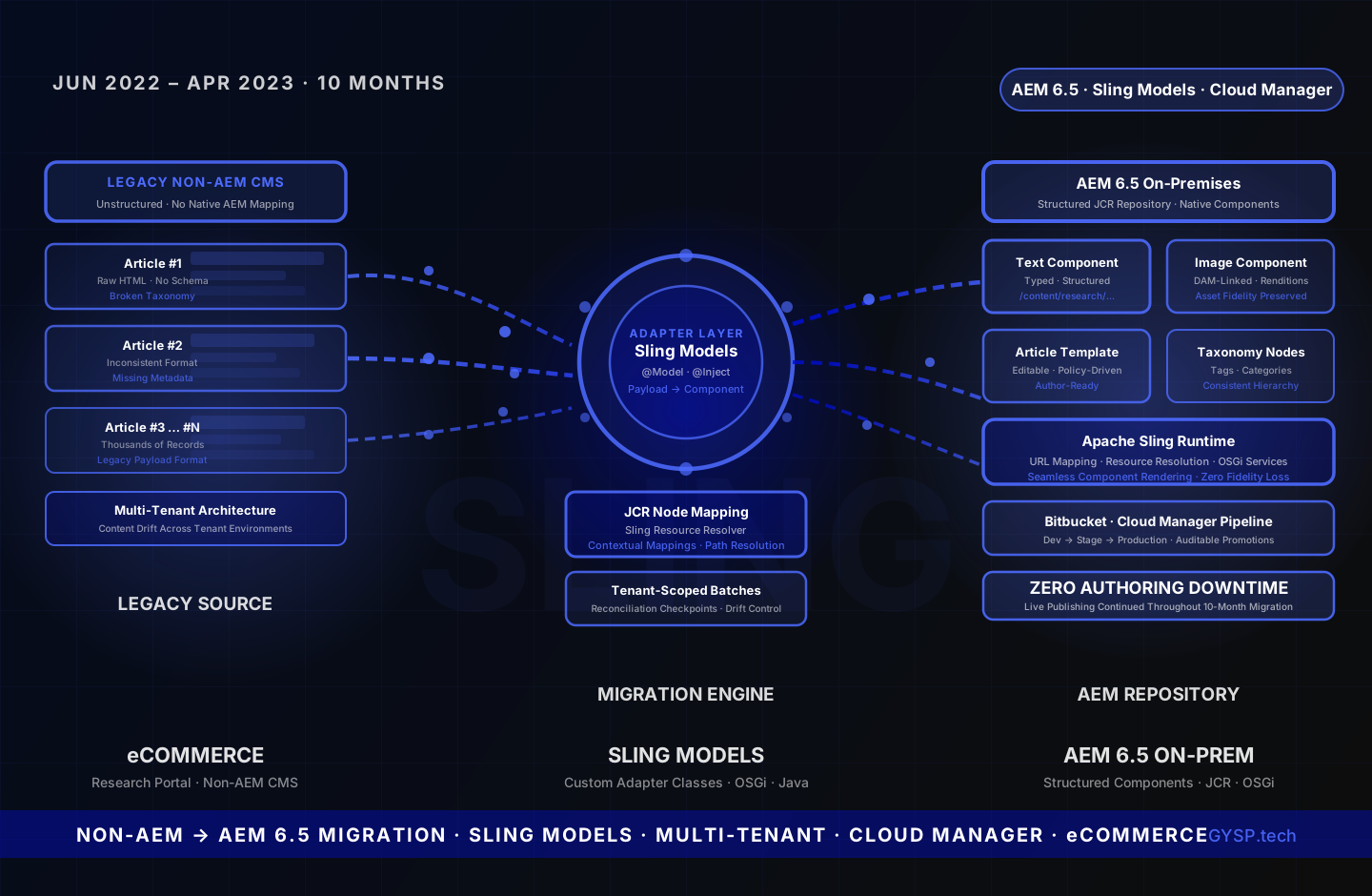
A large eCommerce research portal had accumulated thousands of legacy research articles in an aging, non-AEM CMS, unstructured payloads with inconsistent formatting, broken taxonomies, and no native mapping to AEM component architecture. The business couldn't afford a freeze: heavy daily authoring traffic meant content teams were publishing throughout the migration window. Multi-tenant content drift was compounding the problem, different tenant environments were diverging in structure as the migration progressed, creating reconciliation risk. The pipeline had no formalised CI/CD backbone to govern content promotion across environments, which meant deployments were manual, error-prone, and impossible to audit at scale.
Our Solution
GYSP led the end-to-end technical migration strategy, starting with a structural analysis of the legacy payload formats to design a systematic mapping to AEM 6.5 native components. Custom adapter classes were built using Sling Models, translating unstructured legacy content into properly typed AEM components within the Sling runtime, preserving semantic structure and editorial fidelity across thousands of articles. Multi-tenant content drift was addressed by establishing tenant-scoped migration batches with reconciliation checkpoints, ensuring environment consistency throughout the ten-month programme. A formalised CI/CD pipeline was configured via Bitbucket and Adobe Cloud Manager to govern content promotion across Dev, Stage, and Production, removing manual handoffs and giving the team an auditable, repeatable deployment process capable of handling the authoring team's daily traffic without conflict.
Delivery friction compounds fast. Quantify yours in 5 min.
Key Deliverables
- Technical migration strategy covering thousands of legacy research articles from a non-AEM CMS to AEM 6.5 On-Premises
- Custom Sling Model adapter classes built to transform unstructured legacy payloads into native AEM components
- Multi-tenant content drift resolved through scoped migration batches with reconciliation checkpoints
- CI/CD pipeline established via Bitbucket and Adobe Cloud Manager for auditable, repeatable content promotion
- Migration executed in parallel with live daily authoring, no content freeze required
Services Delivered
- CMS Migration
- Web Development
- Content Engineering
- IT Consulting
Tech Stack
This engagement used AEM 6.5, Sling Models, Java, Bitbucket, Adobe Cloud Manager, and 3 additional tools.
Frequently Asked Questions
What is a Sling Model and how was it used in this AEM migration?+
Sling Models are Java annotation-driven adapter classes within the Apache Sling framework that underpin AEM. They allow developers to map resource properties to Java objects, effectively acting as a translation layer between raw repository data and AEM components. In this migration, GYSP built custom Sling Model adapters to transform unstructured legacy CMS payloads, which had no native AEM structure, into properly typed, component-ready content within the Sling runtime. This allowed thousands of articles to be ingested without manual reformatting.
How do you migrate content to AEM without disrupting live authoring?+
The key is designing the migration pipeline to run alongside, not in place of, the live authoring environment. GYSP structured the migration in tenant-scoped batches with reconciliation checkpoints, ensuring that newly published content from the authoring team was captured and not overwritten by in-flight migration jobs. The Bitbucket and Cloud Manager pipeline provided environment separation so migration promotion to Stage and Production never collided with the team's daily publishing workflow.
What is multi-tenant content drift and how was it resolved?+
In a multi-tenant AEM environment, each tenant's content structure can diverge over time, especially during a migration where different tenant batches are processed at different times. Content drift occurs when a tenant's repository state in one environment (e.g. Stage) no longer matches another (e.g. Production) due to out-of-order migrations, missed updates, or conflicting authoring activity. GYSP resolved this by implementing tenant-scoped reconciliation checkpoints, validating structural consistency for each tenant's content before promotion, and using Cloud Manager's pipeline governance to enforce sequenced, auditable deployments.
Work with GYSP
Similar eCommerce & Retail challenge?
Get a free technical brief: architecture options, cost estimates, and a delivery timeline scoped to your challenge.
- 48-hour turnaround
- Senior engineers only
- No commitment required
Or call: +1 (929) 588-8364
More eCommerce & Retail Case Studies
 eCommerce & Retail
Hommey
A home services marketplace built to personalise at scale, with real-time inventory, region-specific campaigns, and mobile-first UX that needed to work flawlessly from day one.
 eCommerce & Retail
US Gaming Retailer
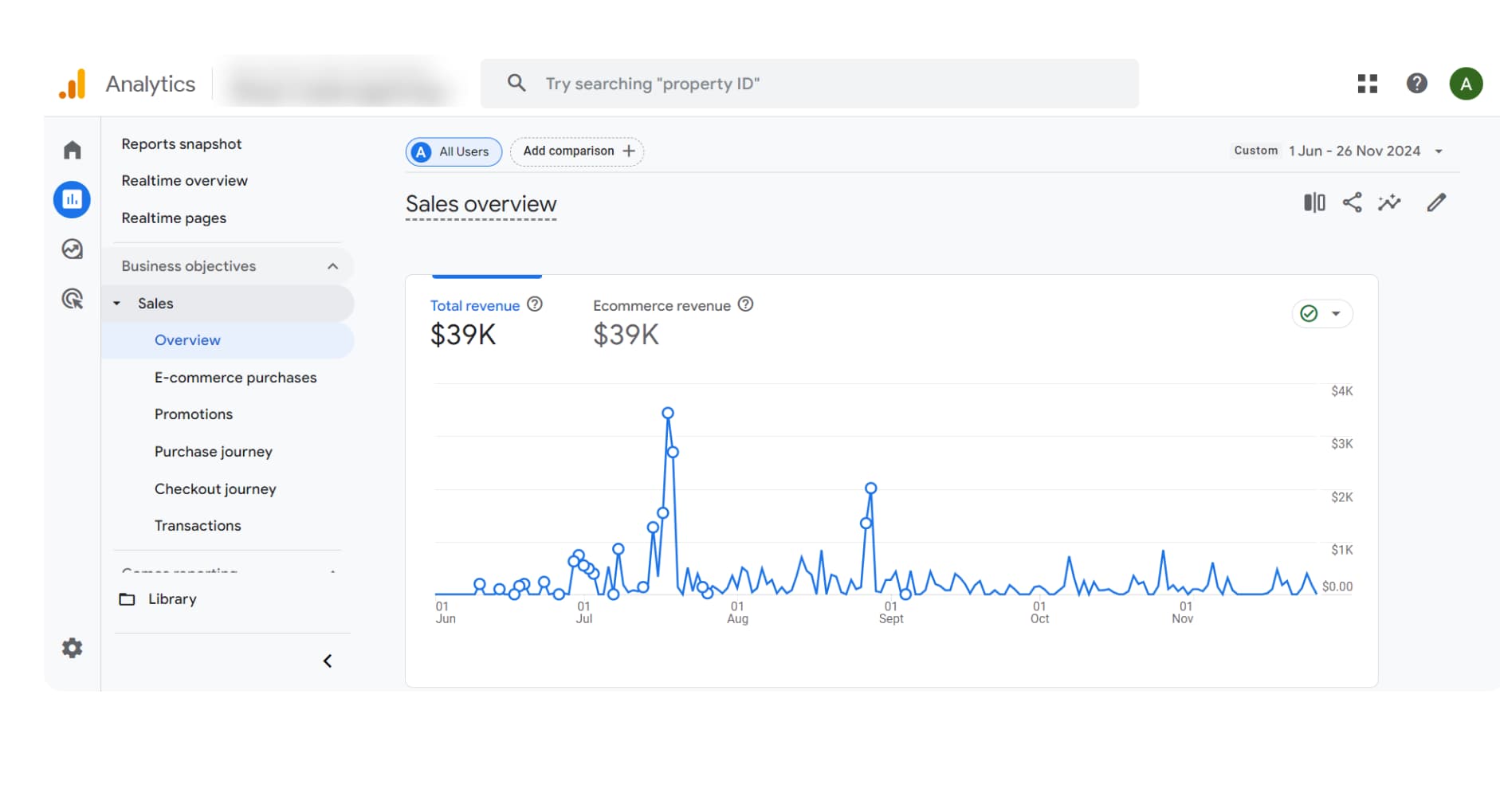
Organic traffic stuck at 29K. Product searches going to competitors. Local visibility near zero. A US gaming retailer needed SEO that drove real revenue, not just better rankings.
 eCommerce & Retail
US eCommerce Brand
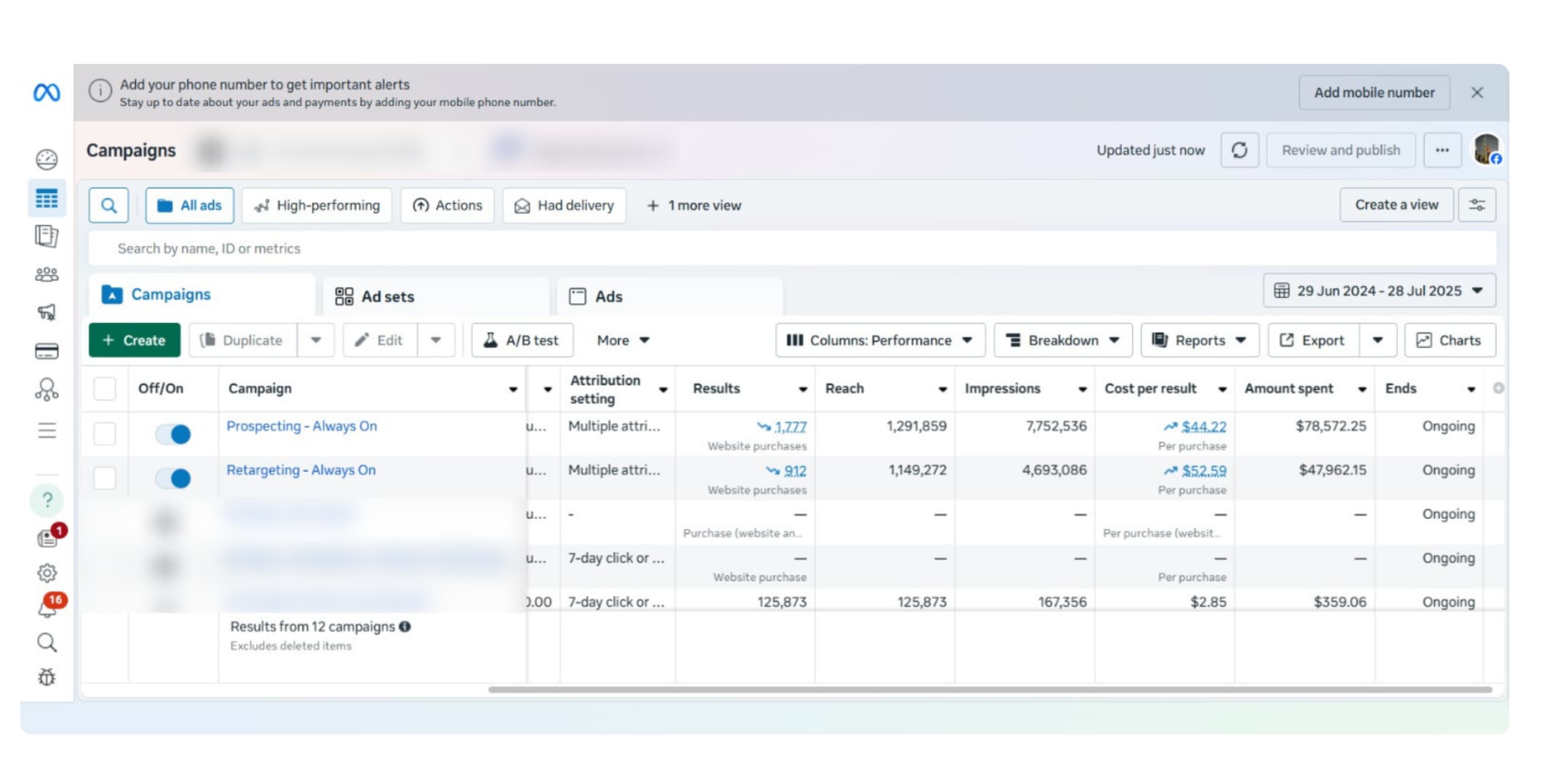
Cost-per-purchase above $70 with no clear path down. Budget leaking across underperforming creatives, weak retargeting, and campaigns that weren't structured to convert.
