Global Financial Services Group
Financial Analytics & Predictive Forecasting — OAC & ODI 12c
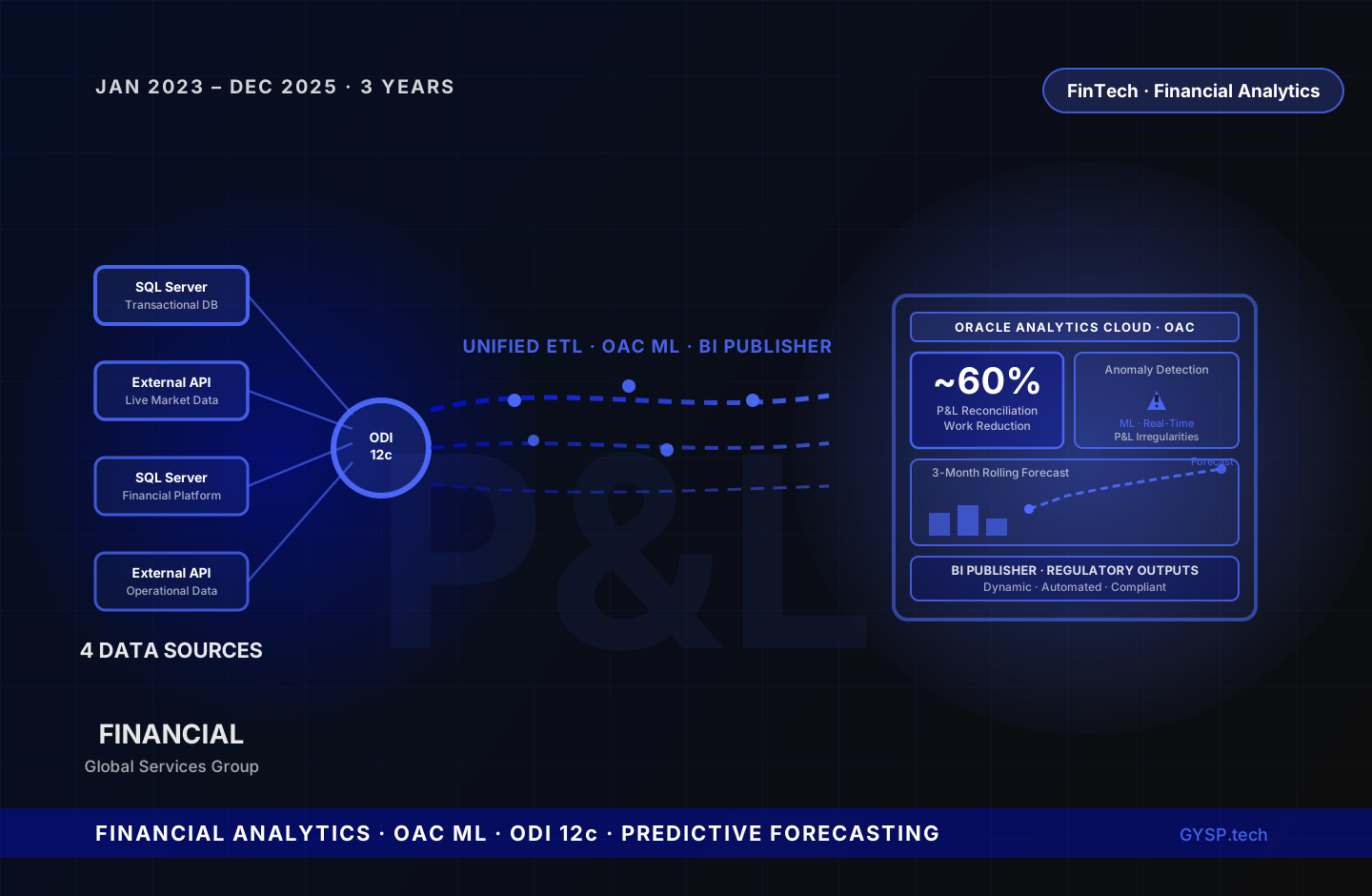
A global financial services group was spending significant analyst bandwidth on manual P&L reconciliation across 4 disparate data systems, with no anomaly detection, no forward-looking forecast, and regulatory reports still produced from static spreadsheets. GYSP unified the data layers on ODI 12c, reduced reconciliation work by 60%, deployed OAC ML anomaly detection on live P&L pipelines, and built rolling 3-month commercial forecasting, all within a single integrated analytics architecture.
Industry
FinTech
Key Result
~60% Reduction in Monthly P&L Reconciliation Work Volume
Primary Service
Heterogeneous ETL Integration
Core Stack
Oracle Analytics Cloud (OAC), ODI 12c, BI Publisher
The Challenge
Large financial services enterprises commonly run their financial data across multiple systems that were never designed to talk to each other, SQL Server transactional databases, live external market data APIs, operational platforms, each updated on different schedules and with no unified layer for consolidated financial reporting. Monthly P&L reconciliation at this scale required manually mapping transactions across these disparate systems, a time-intensive process that consumed significant analyst capacity and introduced error risk every cycle. Without automated integration, the finance team was spending more time collecting and reconciling data than analysing it. Beyond the reconciliation problem, the financial reporting environment had no forward-looking capability: budget reporting depended on static spreadsheets that produced point-in-time snapshots rather than rolling projections, and there was no mechanism to proactively detect financial irregularities before they surfaced at period-close. Regulatory reporting submissions were hand-assembled from the same legacy templates each cycle, adding further manual overhead without improving accuracy or auditability.
Our Solution
As Principal Consultant, GYSP engineered a unified ODI 12c extraction and transformation pipeline integrating all 4 disparate corporate data layers, live external APIs and SQL Server databases, into a centralised, secure data hub. Automated cloud data integration loops replaced the manual P&L transaction mapping that had been consuming analyst bandwidth, reducing monthly P&L reconciliation work volume by approximately 60%. Oracle Analytics Cloud (OAC) ML algorithms were then programmed and deployed directly on the core P&L pipelines, creating a live anomaly detection engine that proactively flagged financial irregularities and anomalous transactions before they reached period-close, shifting the detection point from reactive reconciliation to continuous, automated monitoring. Predictive forecasting models built inside OAC delivered continuous, rolling 3-month visibility into key commercial performance indicators, giving commercial teams a forward-looking view rather than retrospective snapshots. Finally, legacy budget spreadsheets used for regulatory reporting were replaced with dynamic BI Publisher outputs, structured for compliant regulatory submissions and generated automatically from the integrated data layer rather than assembled manually each cycle.
42% of AI projects fail at the data layer. Where do you stand?
Key Deliverables
- ODI 12c pipeline built to integrate 4 disparate corporate data layers, live external APIs and SQL Server databases, into a centralised, secure extraction and transformation hub
- Monthly P&L reconciliation work volume reduced by approximately 60% by replacing manual mapping tasks with automated cloud data integration loops
- OAC ML anomaly detection algorithms deployed on core P&L pipelines to proactively flag financial irregularities before period-close
- Rolling 3-month predictive forecasting models built in OAC, delivering continuous forward-looking visibility into key commercial performance indicators
- Legacy budget spreadsheets replaced with dynamic BI Publisher outputs tailored for compliant regulatory submissions
- Finance analyst capacity freed from data collection and reconciliation, redirected to analysis and insight generation
Services Delivered
- Heterogeneous ETL Integration
- ML Anomaly Detection
- Predictive Forecasting
- Regulatory Reporting Automation
Tech Stack
This engagement used Oracle Analytics Cloud (OAC), ODI 12c, BI Publisher, OAC ML, SQL Server, and 2 additional tools.
Frequently Asked Questions
What is Oracle Analytics Cloud (OAC) and what ML capabilities does it provide for financial analytics?+
Oracle Analytics Cloud (OAC) is Oracle's cloud-native BI and analytics platform that includes built-in machine learning capabilities alongside traditional dashboards and reporting. For financial analytics, its ML functions can be applied directly to financial data pipelines, training anomaly detection models on historical P&L data to identify statistical outliers in live transaction flows, and building predictive models on commercial KPIs for forward-looking forecasting, without requiring a separate data science platform.
How did the ODI 12c pipeline integrate 4 disparate data sources including live APIs?+
ODI 12c uses a declarative mapping approach where source-to-target transformations are defined as Knowledge Modules, reusable templates that handle the mechanics of connecting to specific source types. The pipeline was built with individual extraction and transformation mappings for each of the 4 data layers: SQL Server databases were connected via JDBC-based Knowledge Modules, while live external API connections were handled through custom ODI procedures that called the API endpoints on schedule and loaded the responses into the staging layer. All 4 sources then converged into a unified transformation and loading pipeline targeting the central financial data layer.
How does ML anomaly detection on P&L pipelines work in practice?+
OAC's anomaly detection was trained on historical P&L transaction data to learn the normal distribution of values across accounts, time periods, and transaction categories. Once deployed on the live pipeline, it scored each new transaction against the learned baseline and flagged statistical outliers, transactions that deviated significantly from expected patterns, as potential irregularities. This gave the finance team a prioritised queue of exceptions to investigate at any point in the month rather than discovering anomalies only at period-close during manual reconciliation.
What is BI Publisher and why is it better than spreadsheets for regulatory reporting?+
BI Publisher is Oracle's enterprise document generation engine. It produces structured, formatted output documents (PDF, Excel, Word) from templates driven by live data queries, rather than from manually maintained spreadsheet formulas. For regulatory reporting, the key advantages are auditability (outputs are generated from a single controlled data source rather than manually assembled files), consistency (the same template produces the same format every cycle without human error), and automation (reports are generated on schedule without analyst involvement in the assembly step).
Work with GYSP
Similar FinTech challenge?
Get a free technical brief: architecture options, cost estimates, and a delivery timeline scoped to your challenge.
- 48-hour turnaround
- Senior engineers only
- No commitment required
Or call: +1 (929) 588-8364
More FinTech Case Studies
 FinTech
Global FinTech SaaS Company
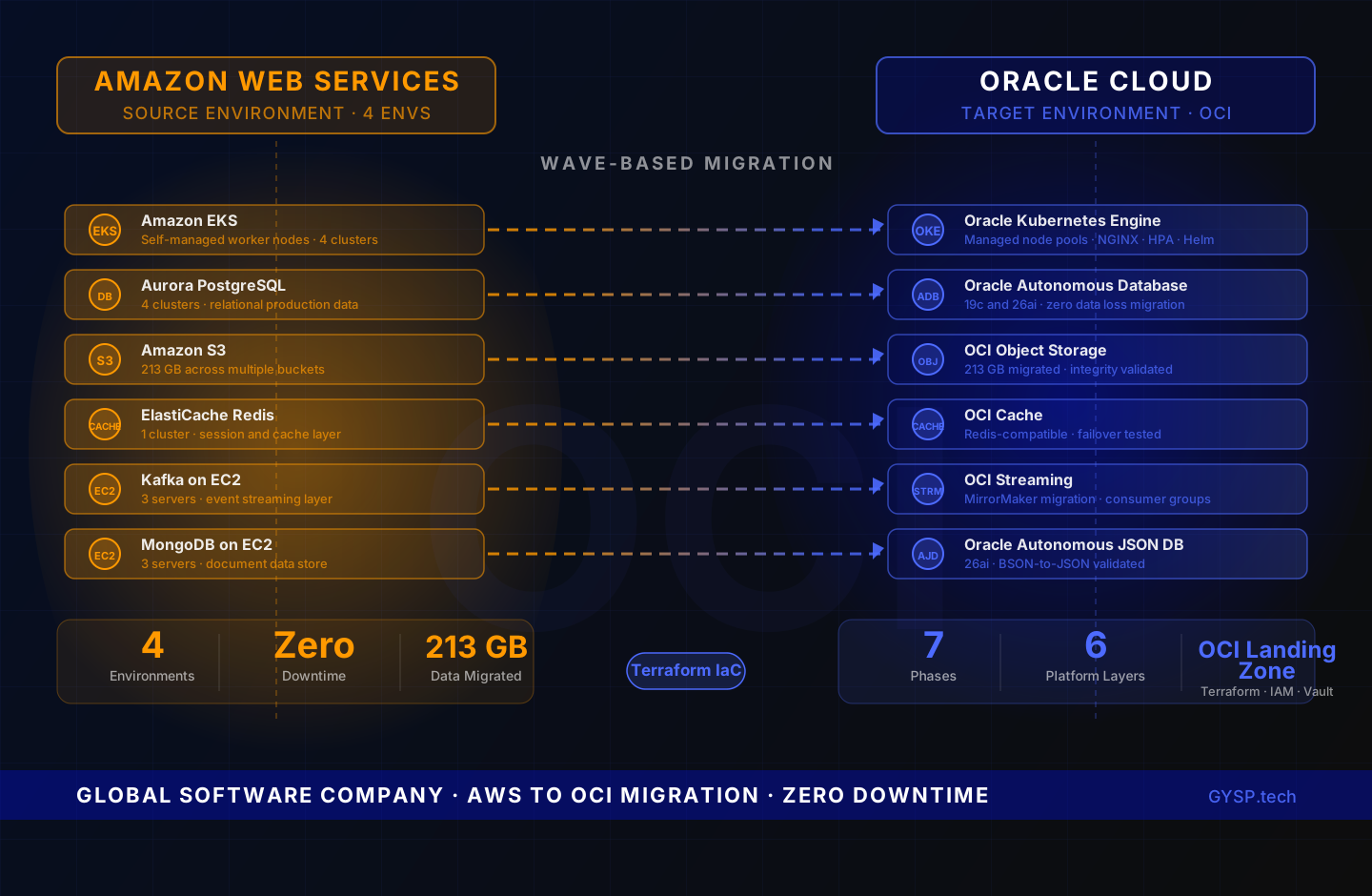
A global software company running business-critical workloads across four AWS environments needed a full-stack migration to Oracle Cloud Infrastructure: containers, databases, messaging, caching, and object storage, without disrupting production operations.
 FinTech
DotPe
Growing transaction volumes, three active compliance frameworks, and a full AWS-to-GCP migration, all without a single major service outage. The stakes were high for this fintech platform.
 FinTech
Options Trading Platform
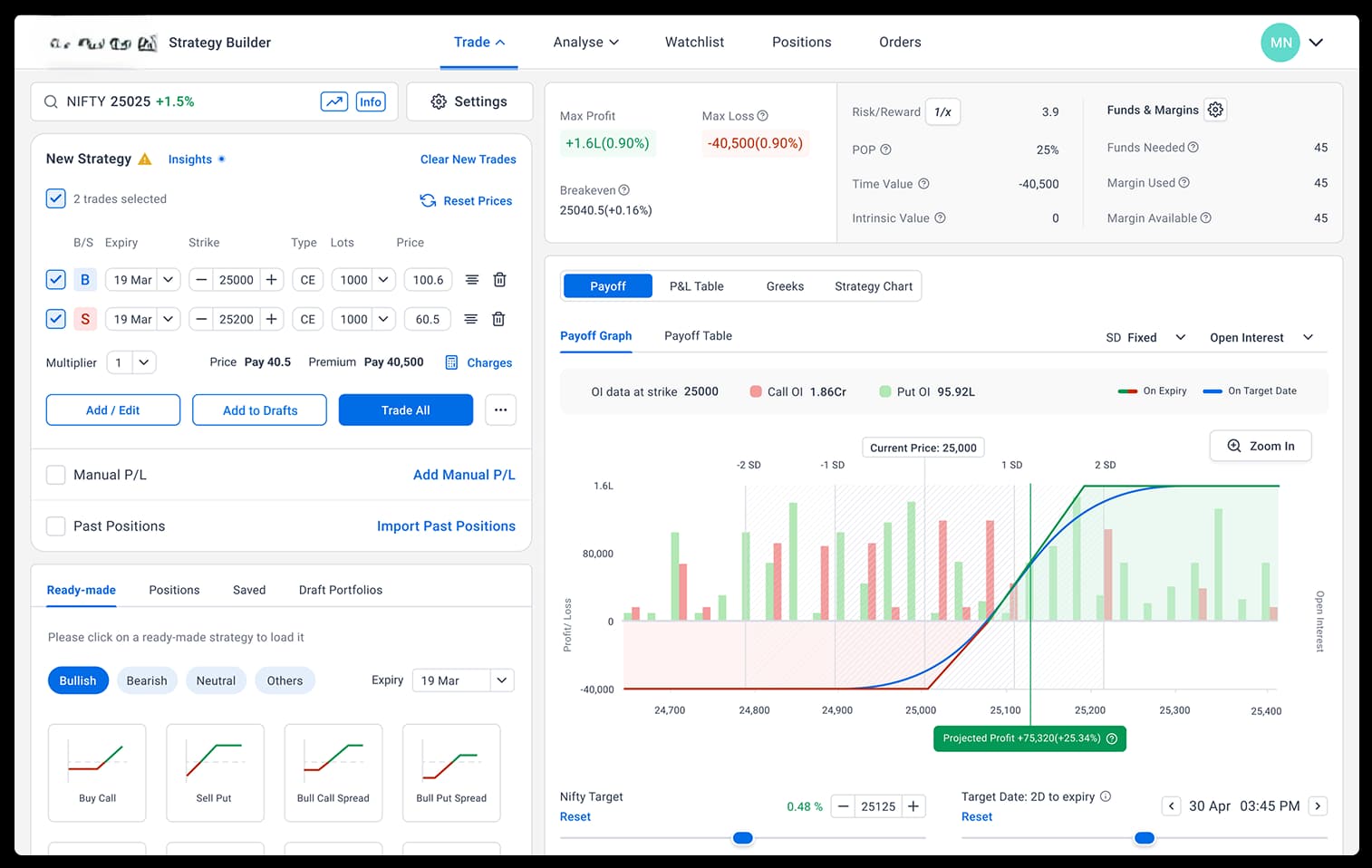
Retail traders were making high-stakes decisions with manual calculations and static charts. They needed the kind of strategy tools professional desks take for granted, built for the masses.
