Global FinTech Cards Platform
AEM 6.5 Multi-Lingual Cards Platform — 16 Languages
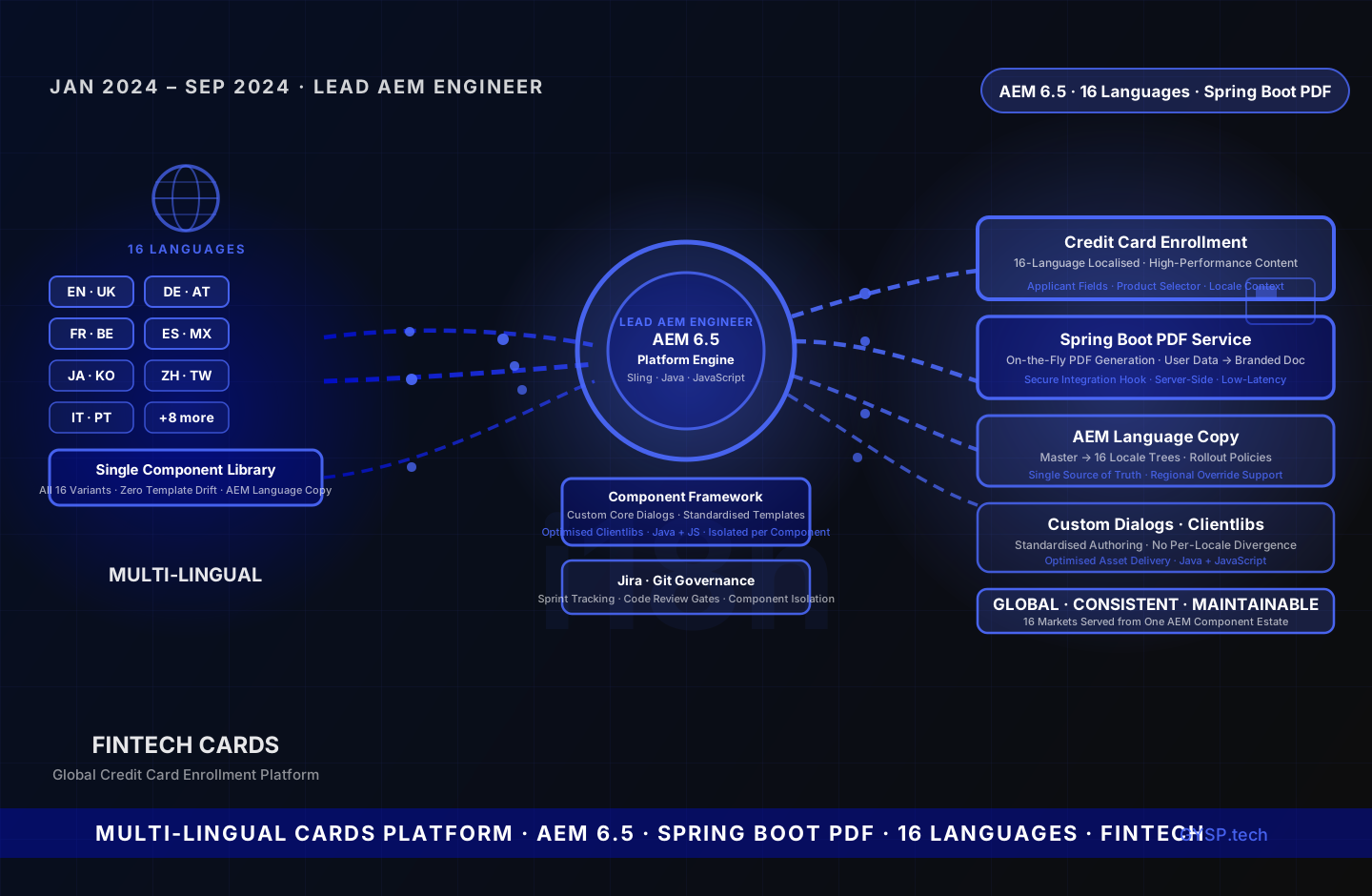
A global FinTech cards platform needed a localised digital enrollment experience for credit card products delivered consistently across 16 international language variations, with zero template drift and no per-locale component duplication. As Lead AEM Engineer, GYSP architected the full multi-lingual AEM 6.5 platform: structured language copy subsystems, a secure Spring Boot microservice integration hook for on-the-fly PDF generation, reusable component frameworks with customised core dialog fields, and Jira-governed sprint rollout with Git-enforced component isolation.
Industry
FinTech
Key Result
16 Languages International Localisation Variations — Single Component Library, Zero Template Drift Across Markets
Primary Service
AEM 6.5 Multi-Lingual Architecture
Core Stack
AEM 6.5, Java, JavaScript
The Challenge
Credit card enrollment platforms serving global markets must deliver the same conversion-optimised experience across 16 language variants without duplicating templates, diverging content models, or introducing inconsistent performance per locale. The platform also required on-the-fly personalised PDF generation, card product documents dynamically built from user form entry, demanding a secure, low-latency integration between the AEM content layer and an external microservice. Existing component patterns were inconsistent, with custom dialog fields varying per developer, creating fragile templates that slowed feature velocity and complicated quality gates during sprint rollouts.
Our Solution
As Lead AEM Engineer, GYSP architected the full multi-lingual platform on AEM 6.5. A structured localisation subsystem was engineered around AEM's language copy framework, 16 international variants share a single component library with locale-specific content trees, ensuring consistent rendering and zero template drift across all language markets. A secure, low-latency integration hook was designed to connect AEM with an external Spring Boot microservice: on user form submission, the hook passes structured data to the microservice which generates a custom PDF on the fly and returns it for inline delivery, all within an authenticated, server-side request flow keeping user data off the client. A standardised component framework was built with customised core dialog fields enforcing consistent authoring patterns across the platform, and optimised backend clientlibs in Java and JavaScript governed asset delivery. Sprint tracking in Jira and Git-enforced component isolation maintained rollout quality through every sprint gate.
Delivery friction compounds fast. Quantify yours in 5 min.
Key Deliverables
- Multi-lingual localisation subsystem delivering consistent credit card enrollment across 16 international language variations from a single component library
- Secure Spring Boot microservice integration hook for on-the-fly custom PDF generation: structured user data in, branded card product PDF out
- Reusable AEM 6.5 component framework with customised core dialog fields and optimised backend clientlibs in Java and JavaScript
- Lead AEM Engineer: architectural ownership, sprint governance via Jira, and Git-enforced component isolation throughout rollout
- 9-month delivery of production multi-lingual credit card enrollment platform, Jan 2024 to Sep 2024
Services Delivered
- AEM 6.5 Multi-Lingual Architecture
- Spring Boot Microservice Integration
- Component Framework Engineering
- PDF Generation Pipeline
Tech Stack
This engagement used AEM 6.5, Java, JavaScript, Spring Boot (Microservice Integration), AEM Language Copy Framework, and 6 additional tools.
Frequently Asked Questions
How does AEM's language copy framework support 16 international variations without template duplication?+
AEM's language copy framework organises content under a language root structure, /content/[site]/en, /content/[site]/de, /content/[site]/fr and so on, where each locale inherits from or extends a master language tree rather than duplicating it. Components are defined once in the component library and referenced across all language trees; only the authored content (text, images, localised strings) differs per locale. Language copies can be created from a master and then translated or locally overridden without touching component code. For a 16-language platform, this means a bug fix or component enhancement deploys once and is reflected in all 16 language variants immediately, there is no per-locale component codebase to maintain. The architecture also enables rollout policies: changes to the master can be automatically rolled out to all language copies, or selectively approved per market if regional teams require local sign-off.
How does the Spring Boot microservice integration work for on-the-fly PDF generation?+
PDF generation in AEM is typically handled one of two ways: server-side rendering using AEM's built-in document services (part of AEM Forms), or an integration hook that delegates to an external service. When the PDF logic requires business rules, dynamic data assembly, or branding that sits outside the AEM Forms capability set, or when an existing Spring Boot microservice already owns that logic, the integration hook pattern is the right approach. The AEM component captures user form submission data, serialises it into a structured request payload, and makes a server-side HTTP POST to the Spring Boot microservice endpoint. The microservice assembles the PDF using its own template engine (typically iText, Apache PDFBox, or similar), applies the appropriate card product branding and user-specific data, and returns the binary PDF in the response. AEM streams this directly to the browser as a download or inline preview, the user never sees the microservice, and no user data is exposed in the browser. Authentication between AEM and the microservice is handled via a shared secret or OAuth token managed in OSGi configuration, keeping credentials out of the JCR.
What does customising AEM core dialog fields mean and why does it matter for a global authoring team?+
AEM Core Components ship with default Coral UI dialog fields for each component type: text fields, image pickers, path browsers, and so on. Customising these means extending or replacing the default dialog structure to add validation, constrain inputs to locale-appropriate values, remove fields that are not relevant to the platform's authoring model, or inject custom widgets that enforce design system constraints. For a global cards platform with authors in 16 markets, unconstrained dialogs create divergence: authors in different regions make different layout choices, enter inconsistent data, or leave fields empty that break rendering. Standardised, customised dialogs enforce the content model at the authoring layer. If a field should only accept values from an approved list (card product codes, regulatory disclaimer codes), the dialog can enforce that. The result is consistent page output across all 16 language variants regardless of which regional author publishes the content.
How was component isolation maintained across a sprint-based multi-language rollout?+
Component isolation in AEM means each component encapsulates its own markup, styles, JavaScript, and dialog, changes to one component cannot unintentionally break another. On a multi-language platform rolling out in sprints, the risk is that a change to a shared component (for example, a card product tile used on enrollment pages in all 16 languages) introduced in sprint 4 breaks layout or functionality for language variants already live in sprint 2. Maintaining isolation requires: strict use of AEM's clientlib category system so a component's styles and scripts are namespaced and never global; Git branching and pull request gates before any shared component change merges to the trunk; component-level regression testing as a sprint acceptance criterion; and Jira tracking of which components are shared versus locale-specific so sprint planning accounts for cross-market blast radius before any shared component enters a sprint.
Work with GYSP
Similar FinTech challenge?
Get a free technical brief: architecture options, cost estimates, and a delivery timeline scoped to your challenge.
- 48-hour turnaround
- Senior engineers only
- No commitment required
Or call: +1 (929) 588-8364
More FinTech Case Studies
 FinTech
Global FinTech SaaS Company
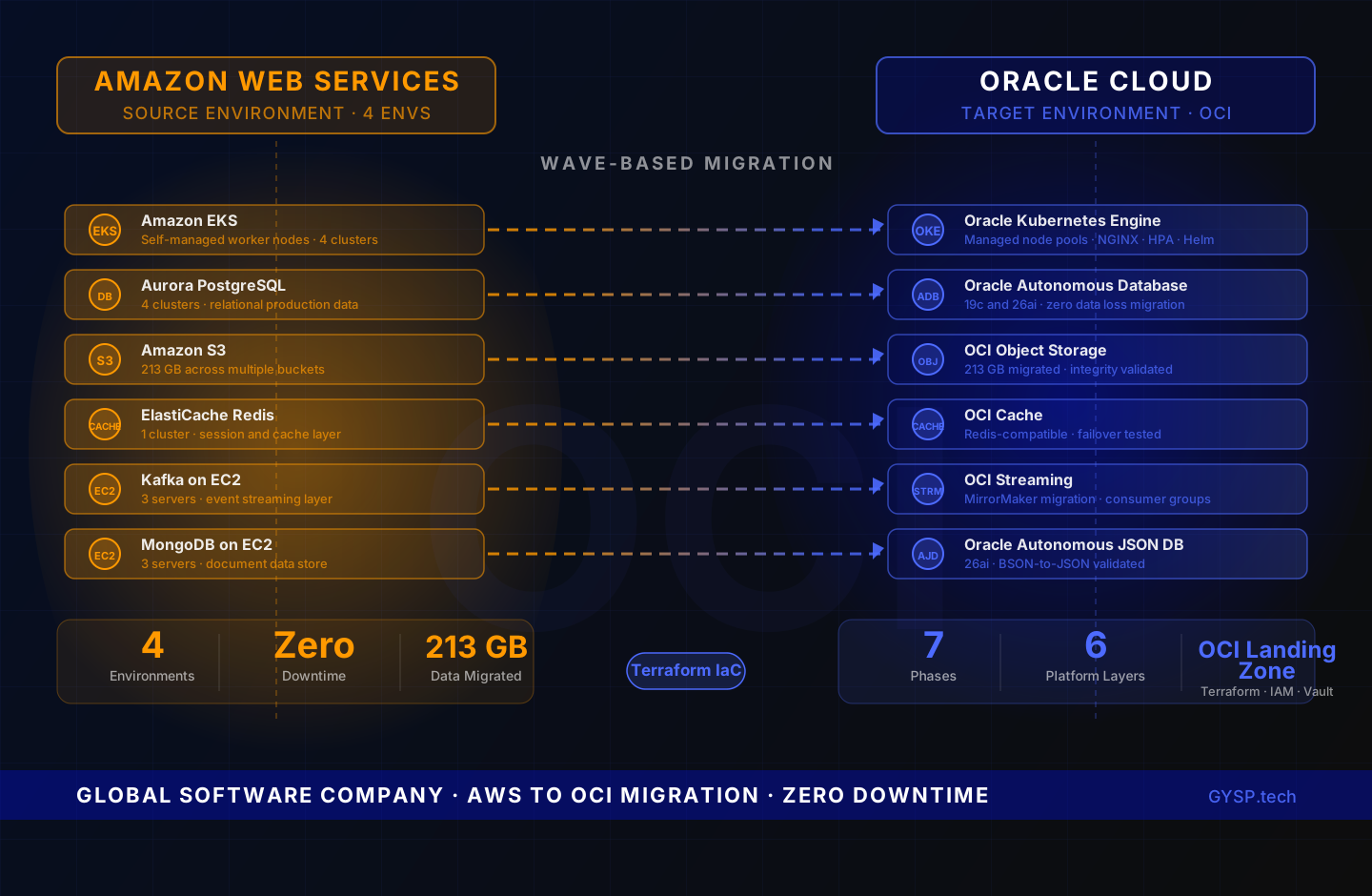
A global software company running business-critical workloads across four AWS environments needed a full-stack migration to Oracle Cloud Infrastructure: containers, databases, messaging, caching, and object storage, without disrupting production operations.
 FinTech
DotPe
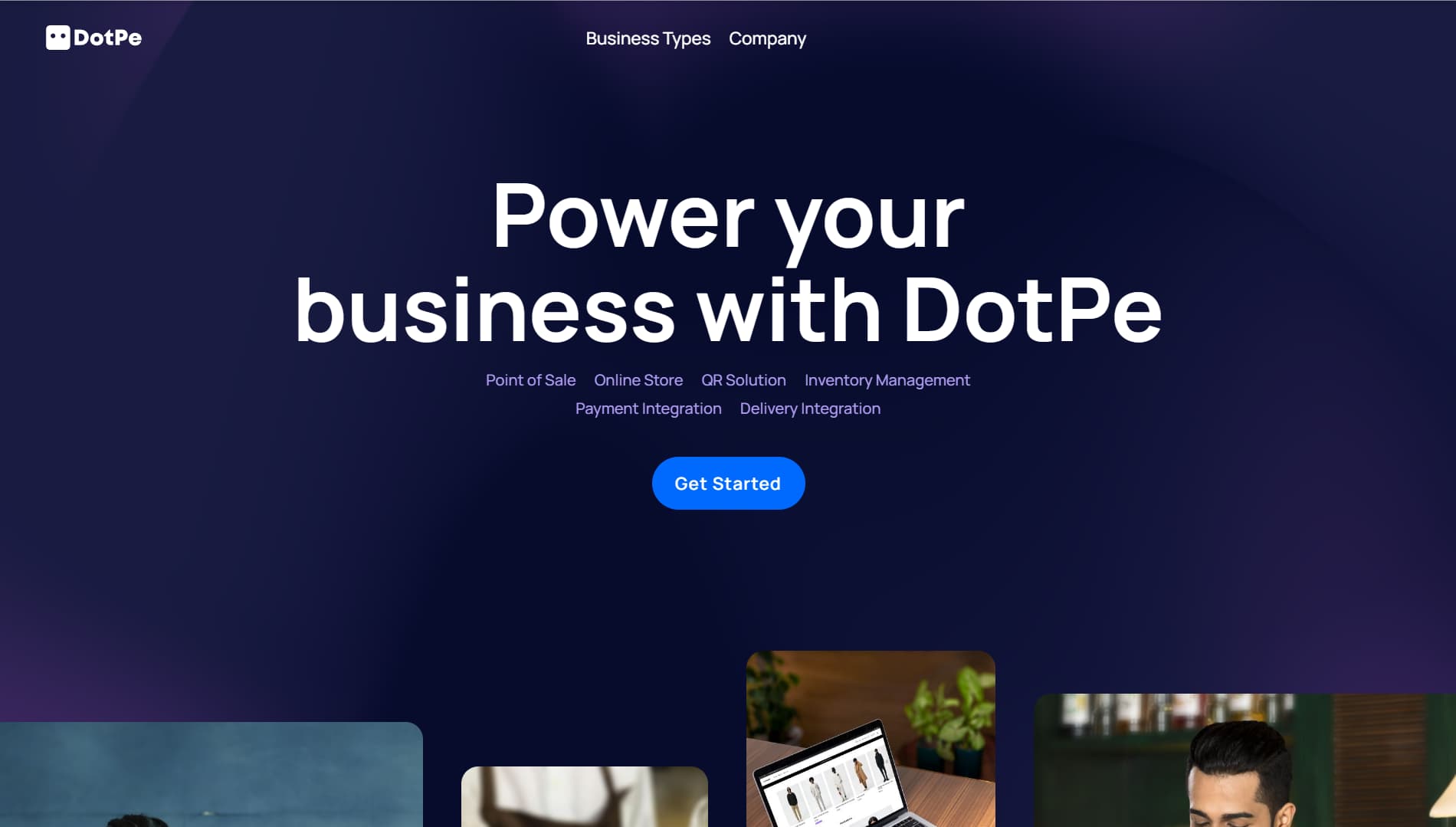
Growing transaction volumes, three active compliance frameworks, and a full AWS-to-GCP migration, all without a single major service outage. The stakes were high for this fintech platform.
 FinTech
Options Trading Platform
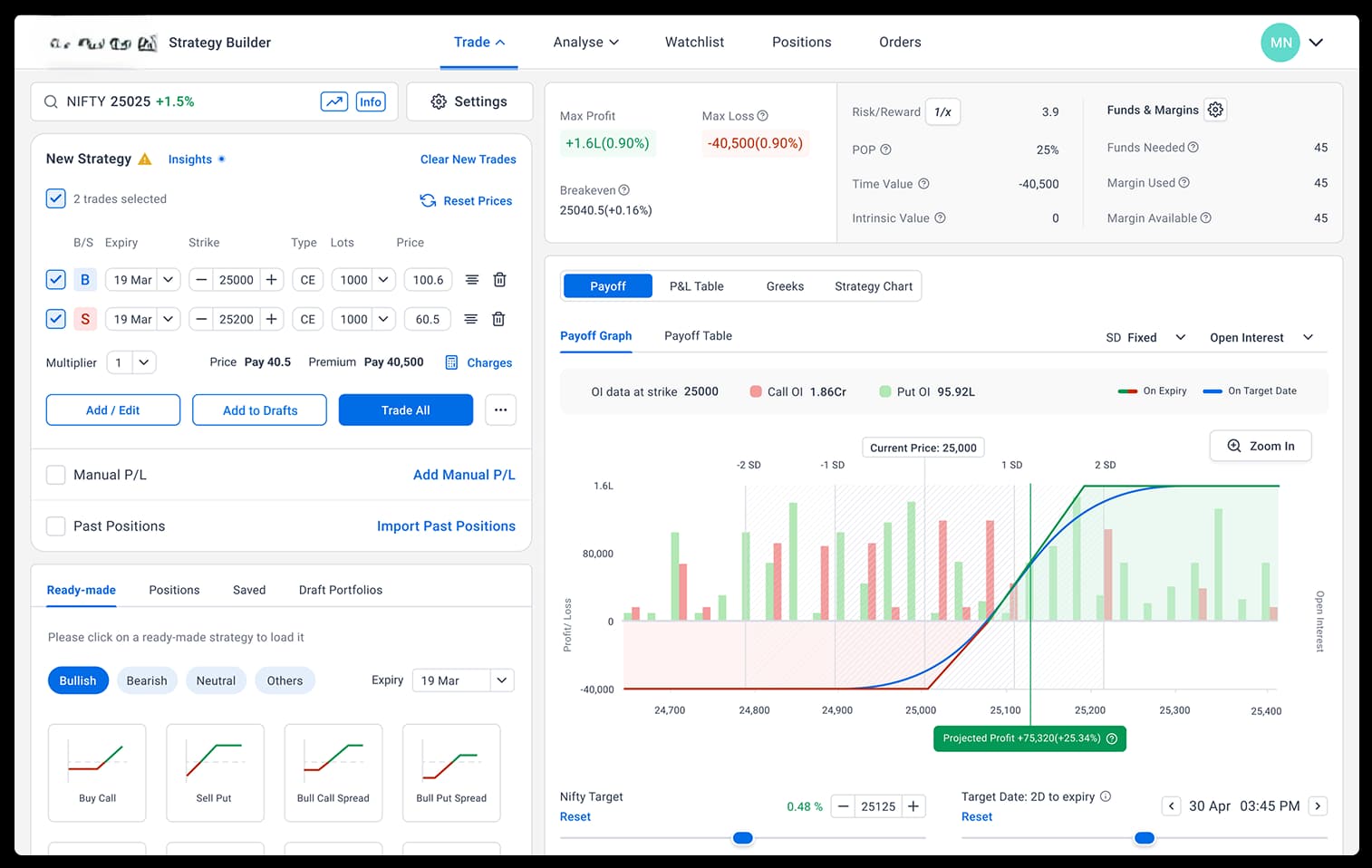
Retail traders were making high-stakes decisions with manual calculations and static charts. They needed the kind of strategy tools professional desks take for granted, built for the masses.
