Global InsurTech Platform
InsurTech AEM 6.3 to 6.5 Upgrade & S3 Decoupling
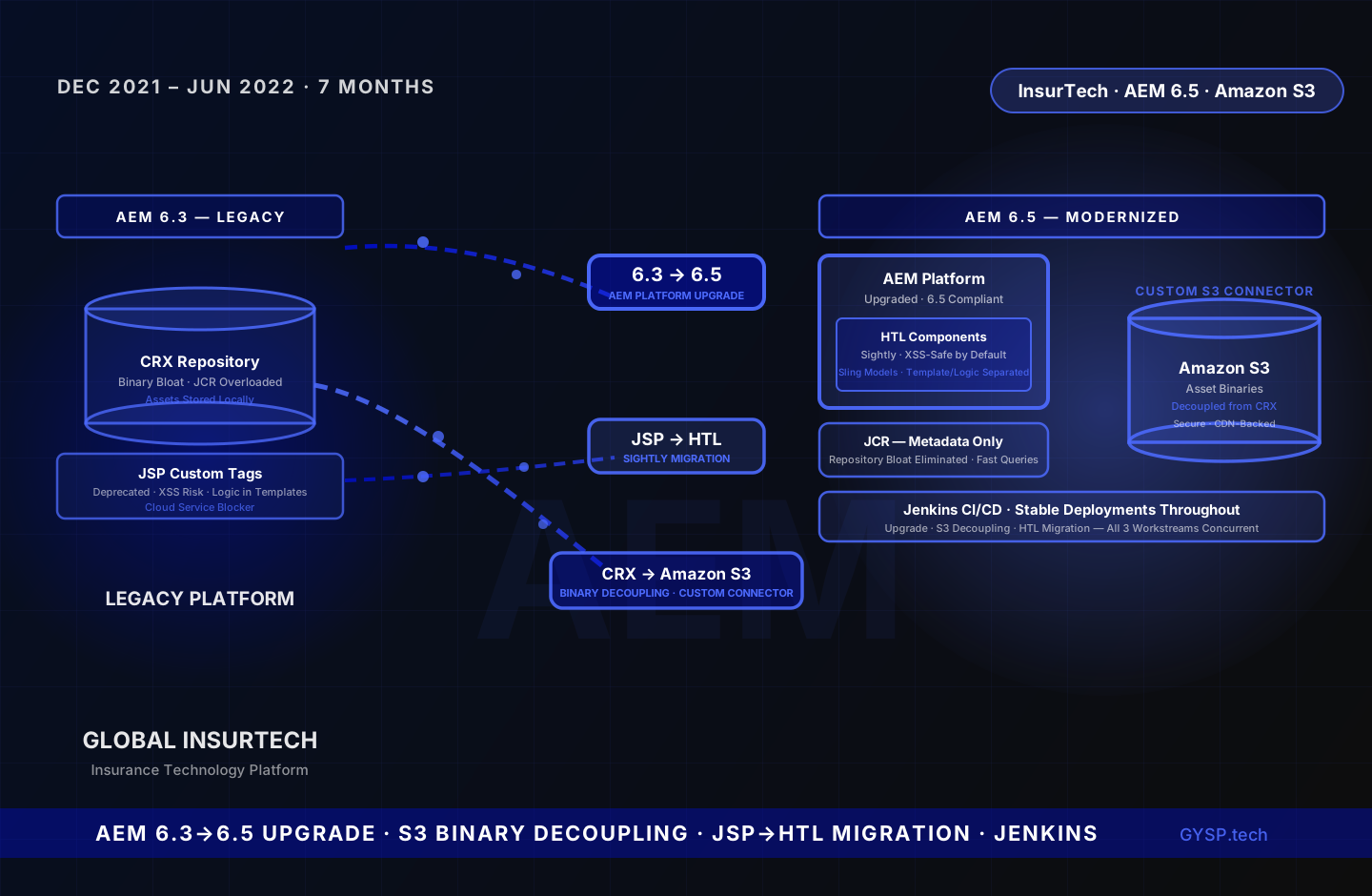
A global InsurTech platform running on AEM 6.3 needed a high-stakes modernization: upgrade to AEM 6.5, decouple its heavy digital asset binary architecture from the local CRX repository to Amazon S3, and refactor its deprecated JSP component codebase to modern Sightly (HTL). GYSP executed the full upgrade, built a custom S3 cloud datastore connector, completed the HTL migration, and sustained deployment stability via Jenkins CI throughout.
Industry
FinTech
Key Result
6.3 → 6.5 AEM Enterprise Platform Upgrade — Full Backward-Compatibility Resolution
Primary Service
AEM Platform Upgrade
Core Stack
Adobe Experience Manager (AEM) 6.5, AEM 6.3 (Upgraded), Amazon S3
The Challenge
InsurTech platforms accumulating digital assets at scale, policy documents, claim images, marketing collateral, hit a hard limit when those binaries are stored in the local AEM CRX repository. Repository bloat degrades query performance, slows backups, and makes disaster recovery increasingly complex. The AEM 6.3 to 6.5 upgrade added further complexity: 6.5 introduces breaking API changes, Oak repository updates, and stricter deprecation enforcement that surface as backward-compatibility compilation errors across a large enterprise codebase. The existing component architecture relied on deprecated JSP custom tag implementations, a security and maintainability liability that also represented a hard blocker for any future AEM as a Cloud Service migration path. Executing the version upgrade, binary storage decoupling, and JSP-to-HTL refactoring simultaneously, while maintaining production deployment stability throughout, required precise sequencing and deep AEM platform expertise.
Our Solution
Executed the AEM 6.3 to 6.5 enterprise platform upgrade, systematically resolving backward-compatibility compilation errors surfaced by the version transition across the full InsurTech codebase. Designed and deployed a custom S3 cloud datastore connector decoupling the platform's heavy binary asset architecture, routing all asset binaries out of the local CRX JCR repository directly into a secure Amazon S3 bucket, eliminating repository bloat and enabling CDN-backed asset delivery at scale. Conducted extensive component codebase refactoring translating deprecated JSP custom tag implementations into modern Sightly (HTL) specifications, enforcing template/logic separation, enabling default XSS protection, and aligning the codebase with AEM as a Cloud Service migration requirements. Maintained continuous deployment stability across all three parallel workstreams via Jenkins CI.
Delivery friction compounds fast. Quantify yours in 5 min.
Key Deliverables
- Executed the AEM 6.3 to 6.5 enterprise platform upgrade, resolving backward-compatibility compilation errors across the full InsurTech codebase introduced by the major version transition
- Designed and deployed a custom S3 cloud datastore connector routing asset binaries out of the local CRX JCR repository directly into a secure Amazon S3 bucket, eliminating repository bloat
- Conducted extensive component codebase refactoring: deprecated JSP custom tags translated to modern Sightly (HTL) specifications with enforced template/logic separation and default XSS protection
- Maintained deployment stability across all three parallel workstreams, version upgrade, S3 decoupling, and HTL migration, via Jenkins CI throughout the 7-month programme
- Delivered HTL-compliant AEM 6.5 platform establishing the technical baseline required for the InsurTech client's future AEM as a Cloud Service migration path
Services Delivered
- AEM Platform Upgrade
- S3 Datastore Decoupling
- HTL Component Migration
- Jenkins CI/CD
Tech Stack
This engagement used Adobe Experience Manager (AEM) 6.5, AEM 6.3 (Upgraded), Amazon S3, AEM CRX / JCR, S3 Datastore Connector, and 3 additional tools.
Frequently Asked Questions
What is AEM CRX and why does storing binary assets there create problems at InsurTech scale?+
AEM CRX (Content Repository Extreme) is the underlying JCR (Java Content Repository) storing all AEM content, pages, assets, component configurations. When digital asset binaries are stored directly in CRX, the repository size grows proportionally to asset volume. For an InsurTech platform generating large volumes of policy documents, claim images, and marketing assets, this creates repository bloat: increasingly slow backups, degraded query performance as Oak traverses a larger node tree, and complex disaster recovery timelines. Moving binaries to an external datastore like Amazon S3 reduces the JCR to metadata-only storage. The repository stays lean, queries run faster, and asset binaries are served from S3-backed infrastructure rather than the AEM server.
What is a custom AEM S3 datastore connector and how does it route assets away from CRX?+
AEM supports pluggable datastore implementations for binary storage. An S3 datastore connector redirects binary writes from the local filesystem (the default FileDataStore) to an S3 bucket. When AEM receives an asset upload, instead of writing the binary to CRX, it writes to S3 and stores only the S3 reference in the JCR. On retrieval, AEM fetches binaries from S3 rather than local disk. A customised connector goes further, adding access control logic, custom encryption configuration, S3 lifecycle policies for asset retention, and handling of InsurTech-specific asset types that standard connector configurations do not accommodate. The result is a decoupled binary storage architecture that scales with asset volume without affecting JCR size or query performance.
What is Sightly (HTL) and why does migrating from JSP custom tags matter for an InsurTech platform?+
Sightly (HTML Template Language, or HTL) is the modern server-side templating language for AEM component development, replacing JSP. JSP custom tags allowed arbitrary Java logic in templates, a security liability, since business logic placed in the presentation layer creates XSS vulnerabilities and tightly coupled code that is difficult to maintain. HTL enforces strict template/logic separation: all logic moves to Sling Models, and templates contain only presentation markup. HTL provides XSS protection by default, a specific concern for an InsurTech platform handling sensitive policyholder data. Migrating to HTL is also a hard prerequisite for AEM as a Cloud Service, making the refactoring a future-proofing investment beyond immediate code quality improvement.
What makes an AEM 6.3 to 6.5 version upgrade complex in an enterprise InsurTech context?+
AEM 6.5 introduced significant platform changes: Oak repository updates affecting query performance and indexing, Granite UI component API changes, Dispatcher configuration updates, and stricter deprecation enforcement of legacy APIs still usable in 6.3. In an enterprise codebase with custom components, OSGi bundles, and bespoke integrations, these changes surface as backward-compatibility compilation errors that must be individually diagnosed and resolved, each requiring an understanding of both what the deprecated API was doing and what the 6.5-compatible replacement achieves, with the risk that a quick compilation fix introduces a functional regression. Resolving these errors systematically across a production InsurTech platform, while simultaneously running the S3 decoupling and HTL refactoring workstreams under Jenkins CI, required disciplined branch strategy and change management throughout.
Work with GYSP
Similar FinTech challenge?
Get a free technical brief: architecture options, cost estimates, and a delivery timeline scoped to your challenge.
- 48-hour turnaround
- Senior engineers only
- No commitment required
Or call: +1 (929) 588-8364
More FinTech Case Studies
 FinTech
Global FinTech SaaS Company
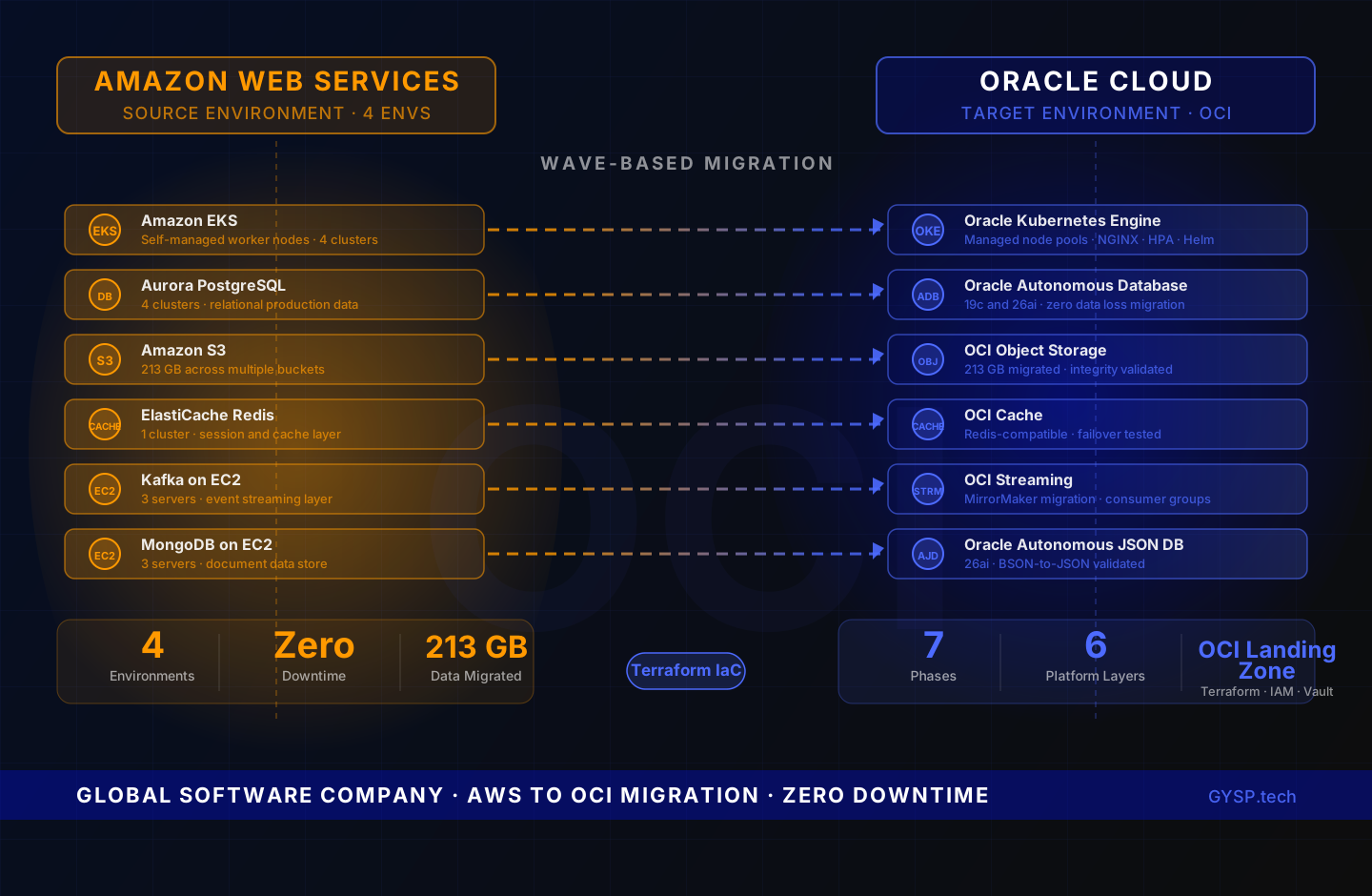
A global software company running business-critical workloads across four AWS environments needed a full-stack migration to Oracle Cloud Infrastructure: containers, databases, messaging, caching, and object storage, without disrupting production operations.
 FinTech
DotPe
Growing transaction volumes, three active compliance frameworks, and a full AWS-to-GCP migration, all without a single major service outage. The stakes were high for this fintech platform.
 FinTech
Options Trading Platform
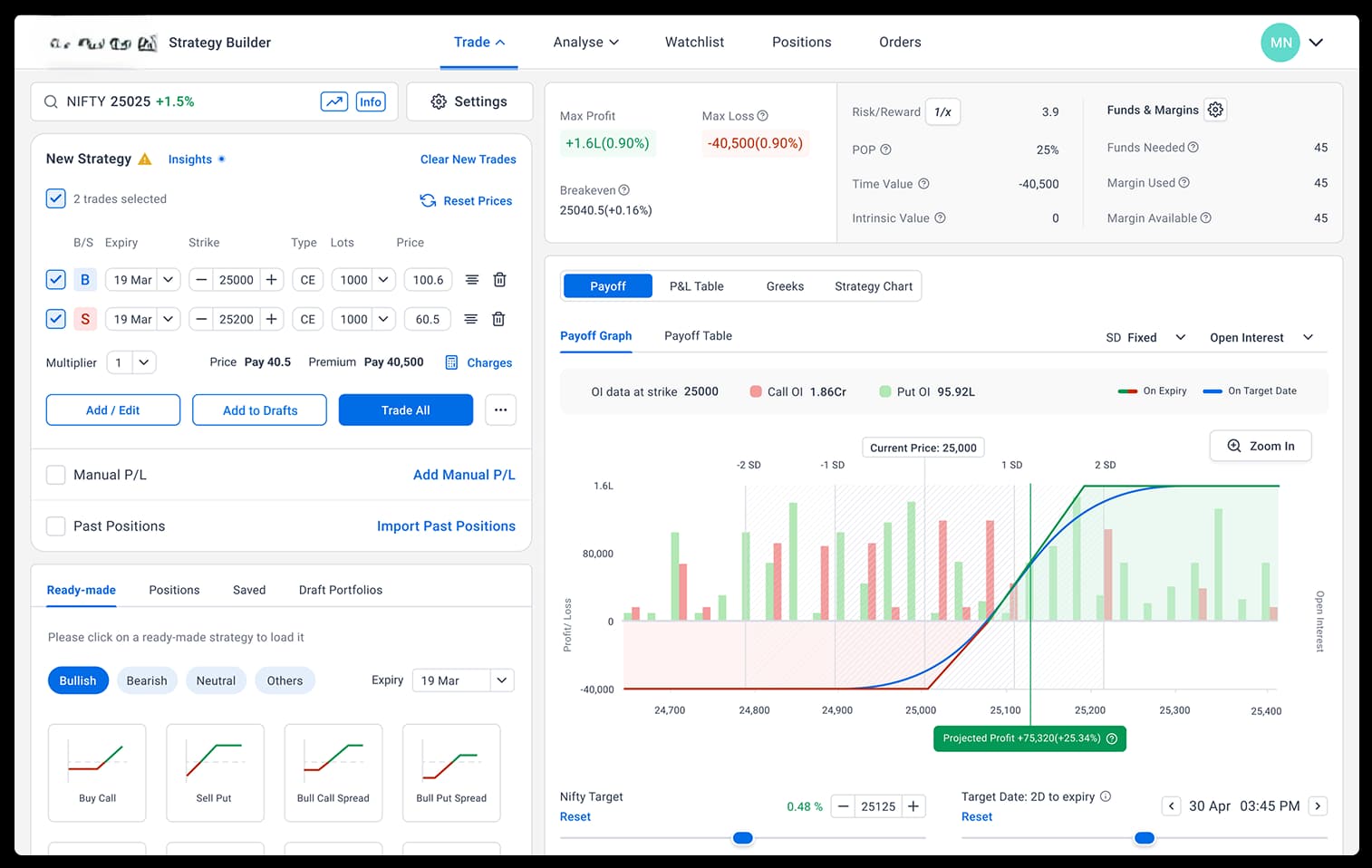
Retail traders were making high-stakes decisions with manual calculations and static charts. They needed the kind of strategy tools professional desks take for granted, built for the masses.
